
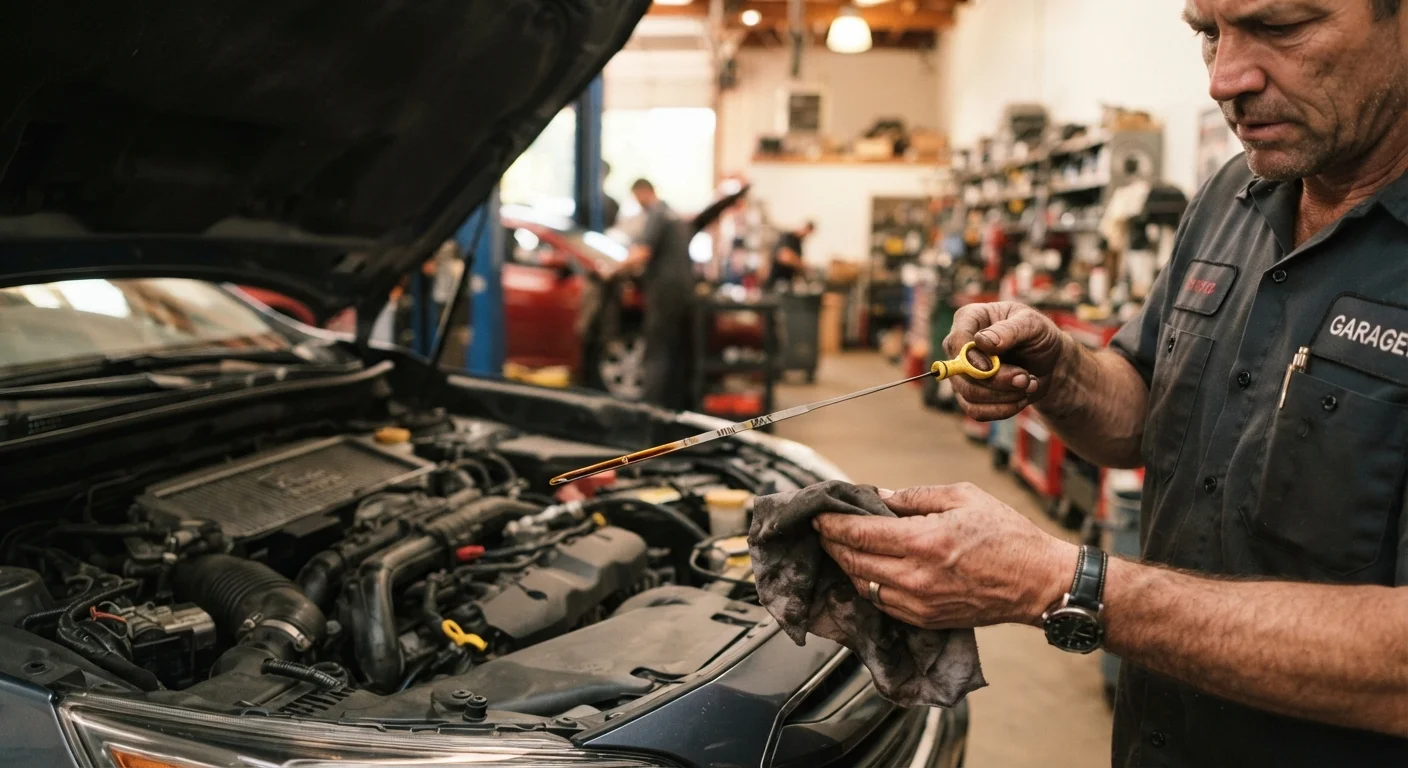
Why Old Car Myths Are Surprisingly Expensive
Many of the habits American drivers follow without question were formed decades ago - passed down by well-meaning relatives, reinforced by service shop reminders, or simply never updated as vehicle technology advanced. The problem is that outdated advice can quietly drain your wallet, either through unnecessary services or through real damage caused by following the wrong guidance.
The average U.S. household spends hundreds of dollars annually on vehicle maintenance. Even modest course corrections - spacing oil changes to the manufacturer's recommended interval, skipping unnecessary premium fuel - can add up meaningfully over a vehicle's life. And some myths, left uncorrected, can accelerate wear rather than prevent it.
Understanding what your car actually needs, rather than what convention says it needs, is one of the most practical steps you can take as a vehicle owner. If you're focused on keeping a vehicle running reliably over the long haul, our guide on keeping a car well past 100,000 miles pairs well with the corrections below.
Myth
You need to change your oil every 3,000 miles, no exceptions.
Fact
Most modern vehicles can go 5,000 to 10,000 miles - or more - between oil changes, depending on the engine and oil type.
The 3,000-mile rule dates back to an era of older engine tolerances and conventional oil formulations. Today's synthetic and synthetic-blend motor oils, combined with tighter engineering standards, allow most passenger vehicles to safely extend oil change intervals. Your owner's manual - not a quick-lube shop's reminder sticker - is the authoritative source for your vehicle's actual interval. Many manufacturers now recommend oil changes every 7,500 to 10,000 miles for normal driving conditions. Following an unnecessarily short interval mostly costs you money without protecting your engine.
Myth
You should let your car warm up for several minutes in cold weather before driving.
Fact
Modern fuel-injected engines reach operating temperature faster by driving gently than by idling in the driveway.
Extended idling to "warm up" the engine was sound advice for carbureted vehicles, which struggled with fuel delivery in cold temperatures. Fuel injection eliminated that problem. Today, the engine and its oil reach proper operating temperature more efficiently under light load. Idling in the cold for five or ten minutes wastes fuel and can wash cylinder walls with unburned fuel, potentially increasing wear over time. A minute or less of idling - just enough to let oil circulate - followed by gentle driving is widely considered the appropriate approach for modern vehicles.
Myth
Premium gasoline gives every car better performance and engine protection.
Fact
Premium fuel only benefits engines specifically engineered to require or recommend it.
Higher-octane fuel resists "knock" - uncontrolled pre-ignition - in high-compression or turbocharged engines designed around that property. If your vehicle's manufacturer specifies regular-grade fuel, filling up with premium delivers no performance gain and no extra cleaning benefit. You're simply spending more at the pump. Conversely, if your vehicle requires premium, consistently using regular can cause knock and long-term engine stress. The determining factor is always your owner's manual, not marketing language on the pump handle.
Myth
Tires only need to be replaced when the tread looks obviously worn.
Fact
Tires can be dangerously compromised before visible wear is obvious - age and inflation matter just as much as tread depth.
Rubber degrades over time regardless of how a tire looks. Most tire and vehicle manufacturers recommend replacement after six to ten years, even if tread depth appears acceptable. Sidewall cracking, bulges, and loss of elasticity are harder to spot than low tread but equally dangerous. Additionally, chronically under-inflated tires wear unevenly and can fail unexpectedly - and many drivers never check pressure until a warning light appears. A monthly pressure check using a gauge and a periodic visual inspection of sidewalls can catch problems long before they become hazardous. See our often-overlooked maintenance checklist for more items that drivers frequently miss.
Myth
You must use a dealership for routine service to keep your warranty valid.
Fact
U.S. federal law generally protects your right to have routine maintenance performed at independent shops without voiding the manufacturer's warranty.
The Magnuson-Moss Warranty Act generally prohibits manufacturers from requiring that consumers use dealership service for routine maintenance in order to maintain a new-vehicle warranty. Independent repair shops and even DIY maintenance can be used - provided you follow the manufacturer's specified service intervals and use appropriate fluids and parts, and keep documentation. Dealerships may try to imply otherwise, but informed owners should know their rights. Always verify with your specific warranty documents and consult an independent automotive resource if you have questions.
What Skipping the Right Maintenance Actually Costs
Debunking myths isn't a license to neglect your vehicle - it's an invitation to maintain it more intelligently. Replacing necessary service with unnecessary service wastes money, but skipping genuinely critical maintenance creates a different and larger problem.
Don't Swing From Over-Servicing to Under-Servicing
Learning that some common service intervals are exaggerated can create the opposite error: assuming all maintenance is optional. Brake fluid, coolant, transmission fluid, and cabin air filters all have real service needs that many drivers ignore entirely. Check the routine tasks most drivers forget for a practical overview of what genuinely matters.
Deferred repairs rarely stay cheap. A failing belt, a slow coolant leak, or worn brake pads all become significantly more expensive when ignored. Our coverage of why deferred repairs escalate quickly explains how small neglected problems cascade into major ones. The goal is calibrated maintenance - doing what your vehicle actually requires, on the schedule your manufacturer actually recommends, with documentation that protects your warranty rights.
~$500
Estimated annual vehicle maintenance cost per U.S. household
Industry estimates suggest American drivers spend several hundred dollars per year on routine vehicle maintenance, making cost-efficient decisions meaningful over time.
7,500-10,000 mi
Typical modern oil change interval
Many automakers now specify oil change intervals of 7,500 to 10,000 miles for normal driving with full-synthetic oil, well beyond the old 3,000-mile rule.
Myth-busting and consistent upkeep go hand in hand. Dropping the 3,000-mile oil change rule frees up money better spent on the items that genuinely do prevent premature wear.