
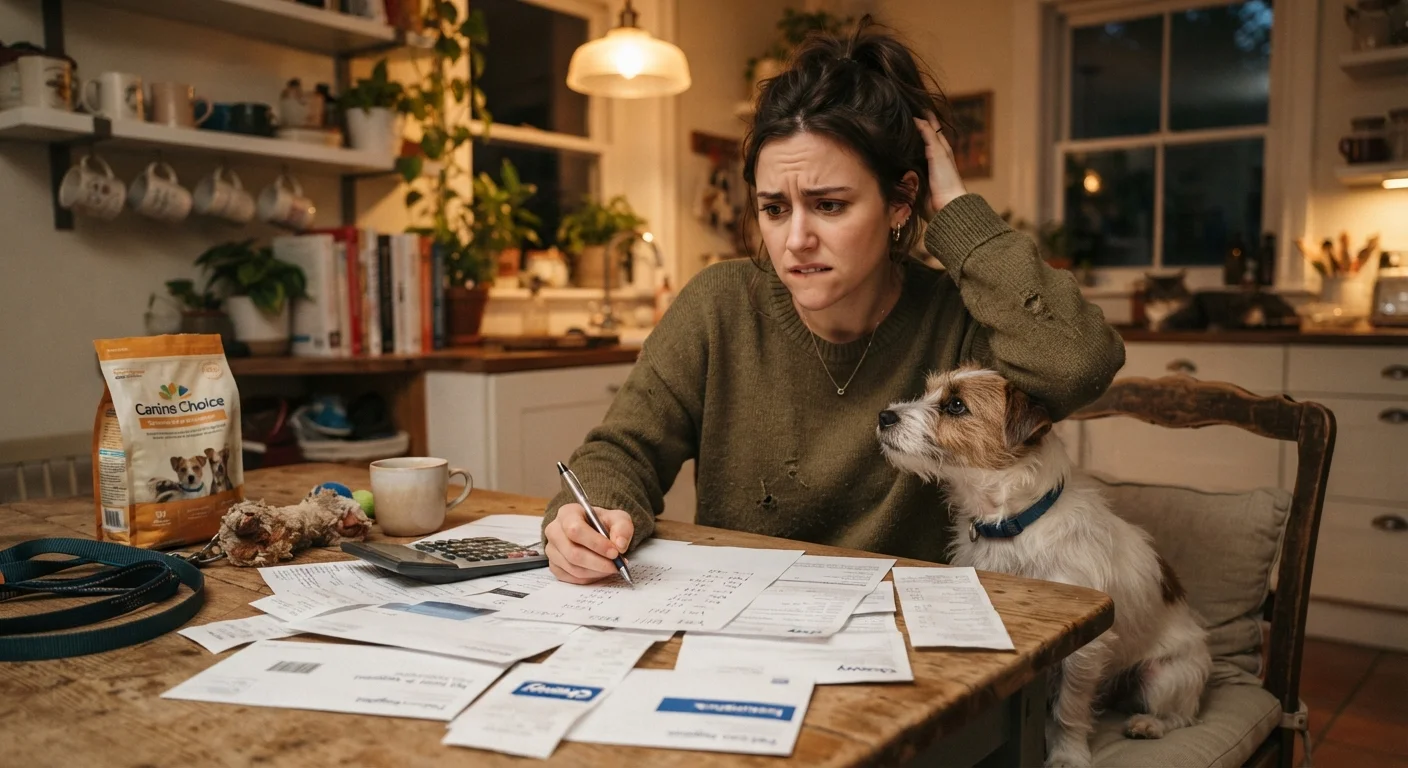
Why Pet Budgets So Often Fall Short
The decision to bring a pet home is usually driven by emotion — and that's not a bad thing. But financial planning for pet ownership often lags behind the enthusiasm. Most new owners mentally prepare for food, a few toys, and the adoption fee. The actual expense list is considerably longer.
Responsible first-time pet ownership involves understanding not just what your animal needs on day one, but what it will need across its entire life. A dog can live 10–15 years. A cat, often longer. The financial commitment spans that entire window.
The mistakes below reflect the gaps that commonly appear between what new owners plan for and what they actually encounter. Recognizing them early is how you stay ahead.
Treating the adoption or purchase fee as the main financial hurdle.
Why it happens: Adoption fees are the most visible upfront cost, so new owners often mentally frame them as the primary investment. Everything after feels like minor add-ons.
Underestimating recurring veterinary expenses beyond the first visit.
Why it happens: New owners often schedule the first vet appointment but don't account for annual wellness exams, booster vaccines, flea and tick prevention, heartworm testing, and dental cleanings that recur every year.
Not factoring in the cost of training, especially for dogs.
Why it happens: Many new dog owners assume basic obedience will come naturally or can be handled informally. The behavioral and financial consequences of skipping training often surface months later.
Ignoring housing-related costs tied to pet ownership.
Why it happens: Pet deposits, higher rental premiums for pet-friendly apartments, and potential repair costs at move-out are easy to overlook when you're focused on the pet itself.
Overlooking the ongoing cost of boarding, pet sitting, or doggy daycare.
Why it happens: People rarely think about what happens to their pet during vacations or work travel until a trip is already booked. These costs can add up fast.
Assuming pet food and supplies will cost the same every year.
Why it happens: Initial supply purchases — a crate, bed, collar, leash — feel one-time. But supplies wear out, food needs change as pets age, and prescription diets or supplements can significantly increase grocery bills.
Building a Realistic Pet Budget Before You Adopt
The most effective thing a prospective pet owner can do is sit down with realistic numbers before adoption day. That means looking beyond the obvious categories.
$1,000–$3,500
Estimated first-year dog ownership cost
The American Kennel Club has noted that first-year costs for a dog — including supplies, vet visits, food, and training — commonly fall in this range depending on size and breed.
1 in 3
Pets requiring unexpected vet care each year
According to the American Pet Products Association, a significant proportion of pet owners face at least one unplanned veterinary expense annually.
$500–$2,000+
Typical emergency vet visit cost
Emergency veterinary care costs vary widely by region, condition, and facility, but even moderate emergencies frequently exceed several hundred dollars.
Start by contacting a local veterinary clinic and asking for an estimate of first-year care costs for the species and breed you're considering. Costs vary significantly — a large-breed dog has different medical and dietary needs than a small cat or a rabbit. Exotic animals often carry additional costs that standard budgets don't anticipate at all.
Once you have a vet estimate, layer in housing costs, training, supplies, grooming (if applicable), and a contingency fund for emergencies. If travel is part of your life, add boarding or pet-sitting fees. Think of pet ownership less like a recurring purchase and more like a long-term financial relationship — one that benefits from the same planning you'd apply to any major household expense.
Emergency Vet Bills Can Happen Anytime
Unexpected illnesses or injuries are among the most financially disruptive pet expenses. A single emergency vet visit can cost anywhere from several hundred to several thousand dollars depending on the situation and location. Building a dedicated pet emergency fund — or exploring pet insurance — before a crisis hits is one of the most responsible steps any pet owner can take. See our overview of how pet insurance works for context on coverage options.
If the full budget feels unmanageable right now, that's useful information. It's far better to delay adoption until you're financially prepared than to face impossible choices if your pet becomes ill. For more on the full financial picture, this overview of real pet ownership costs offers a detailed breakdown worth reviewing before you commit.
This article is for general informational purposes only and does not constitute financial or veterinary advice. Consult a licensed veterinarian and a qualified financial professional for guidance specific to your situation.