
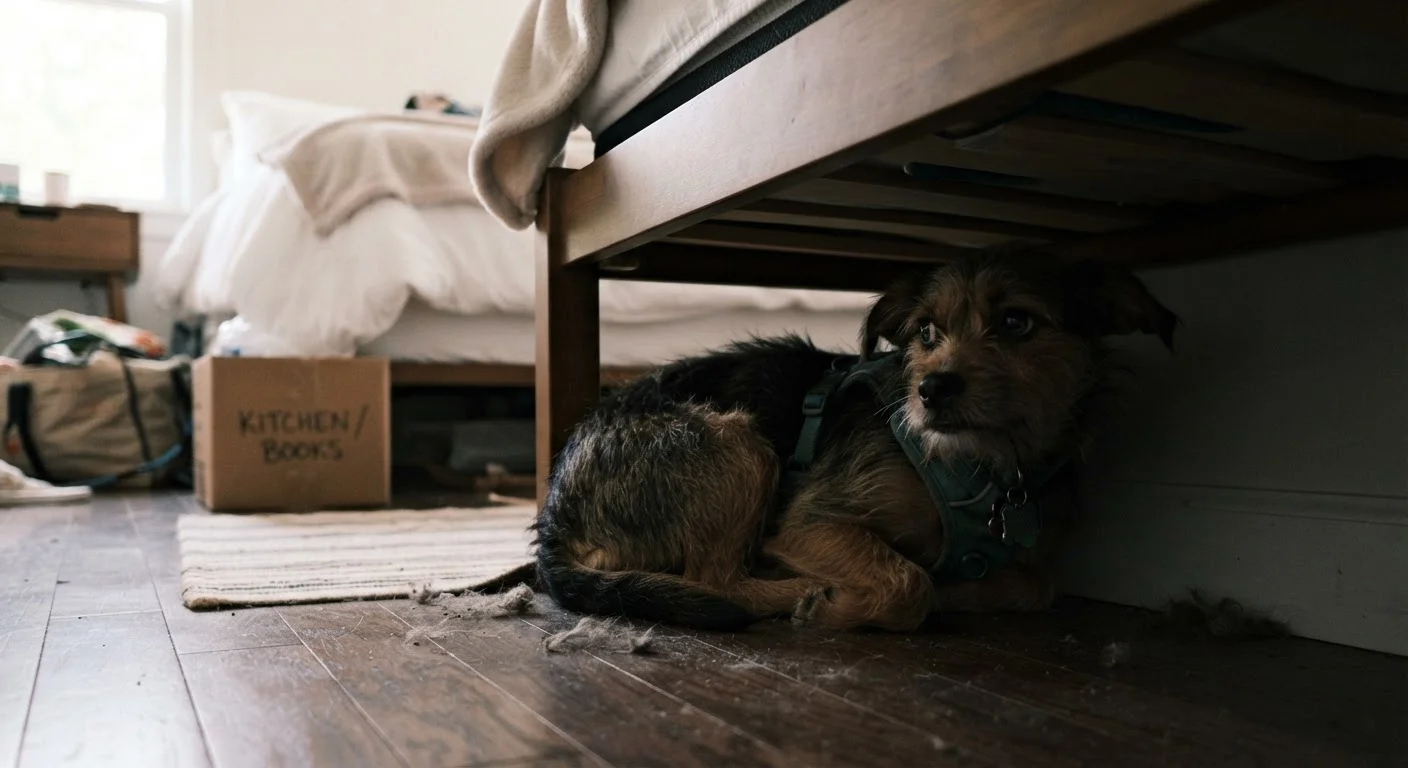
The Adjustment Period Is Real — and It Takes Effort
Bringing a pet home is an exciting milestone, but the animal doesn't experience it that way — at least not at first. A new environment means unfamiliar smells, sounds, people, and routines. For most pets, this is genuinely stressful, and that stress shows up in ways that surprise unprepared owners: hiding, refusing food, excessive whining, or even aggressive posturing.
The "they'll figure it out" mindset is the single most common source of early problems. It shifts responsibility away from the owner at exactly the moment when structure and patience matter most. A pet that feels safe and understands what's expected of it will adjust far faster than one left to navigate uncertainty alone.
For a grounded overview of what the first weeks actually look like, what no one tells you before bringing a pet home is worth reading before day one.
Assuming the pet will 'settle in on its own' without any structured transition plan.
Why it happens: New owners are excited and expect their pet to share that excitement. They interpret the animal's stress behaviors — hiding, not eating, excessive vocalization — as temporary quirks rather than signs of genuine distress.
Delaying or skipping the first veterinary wellness exam.
Why it happens: If the pet appears healthy, owners often assume a vet visit can wait until something goes wrong. The upfront cost can also feel easy to postpone.
Being inconsistent with training rules across different household members.
Why it happens: One person enforces boundaries while another makes exceptions — letting the dog on the couch "just this once" or hand-feeding at the table. Everyone means well, but the pet receives conflicting signals.
Missing the early socialization window for puppies and kittens.
Why it happens: Owners want to protect a very young pet from germs or stress, so they keep the animal isolated until it's 'old enough.' By then, the most formative developmental period has already closed.
Underestimating the time and financial commitment required in the first months.
Why it happens: Pre-adoption research tends to focus on heartwarming highlights rather than realistic day-to-day demands. Adoption fees and a bag of food feel like the main costs.
Building Habits That Stick From the Start
Most of the mistakes new pet owners make aren't rooted in negligence — they come from optimism and incomplete information. The good news is that catching these patterns early makes a significant difference. Pets are highly adaptable when given clear, consistent guidance rather than being expected to guess what their owners want.
~20%
Pets returned to shelters within months of adoption
Studies on shelter returns consistently find unmet behavioral expectations among the leading reasons owners surrender animals shortly after adoption.
3–12 weeks
Primary socialization window for puppies
Veterinary behaviorists generally identify the period between 3 and 12 weeks as the most sensitive window for shaping a puppy's social development.
Establishing a routine — same feeding times, same bathroom schedule, same boundaries — gives a pet the predictability it needs to relax and learn. Training is most effective when it starts immediately, even if it feels premature. Waiting until a behavior becomes a problem means working twice as hard to undo it.
Don't Skip That First Vet Visit
Many new pet owners delay the initial veterinary exam, assuming their pet looks healthy. However, many conditions — parasites, infections, congenital issues — are not visible to the untrained eye. A wellness exam within the first week of bringing a pet home establishes a health baseline and catches problems before they escalate. Consult your veterinarian promptly rather than waiting for symptoms to appear.
Financial preparedness is also part of responsible ownership. The real cost of owning a pet extends well beyond the first shopping trip, and knowing this before problems arise keeps hard choices from feeling like emergencies. For foundational care guidance across species, the Pet Care Basics hub offers practical, day-to-day support.
Behavior Problems Don't Fix Themselves
It's tempting to assume that anxiety, aggression, or house-training failures will resolve once a pet 'gets comfortable.' In many cases, without structured guidance, these patterns become more ingrained over time. If you're seeing persistent behavioral concerns in the first few weeks, consult your veterinarian or a credentialed animal behaviorist rather than waiting it out.
This article is for general informational purposes only and is not a substitute for professional veterinary or behavioral advice. Always consult a qualified veterinarian for guidance specific to your pet's health and needs.