
The Core Difference: Who Owns What
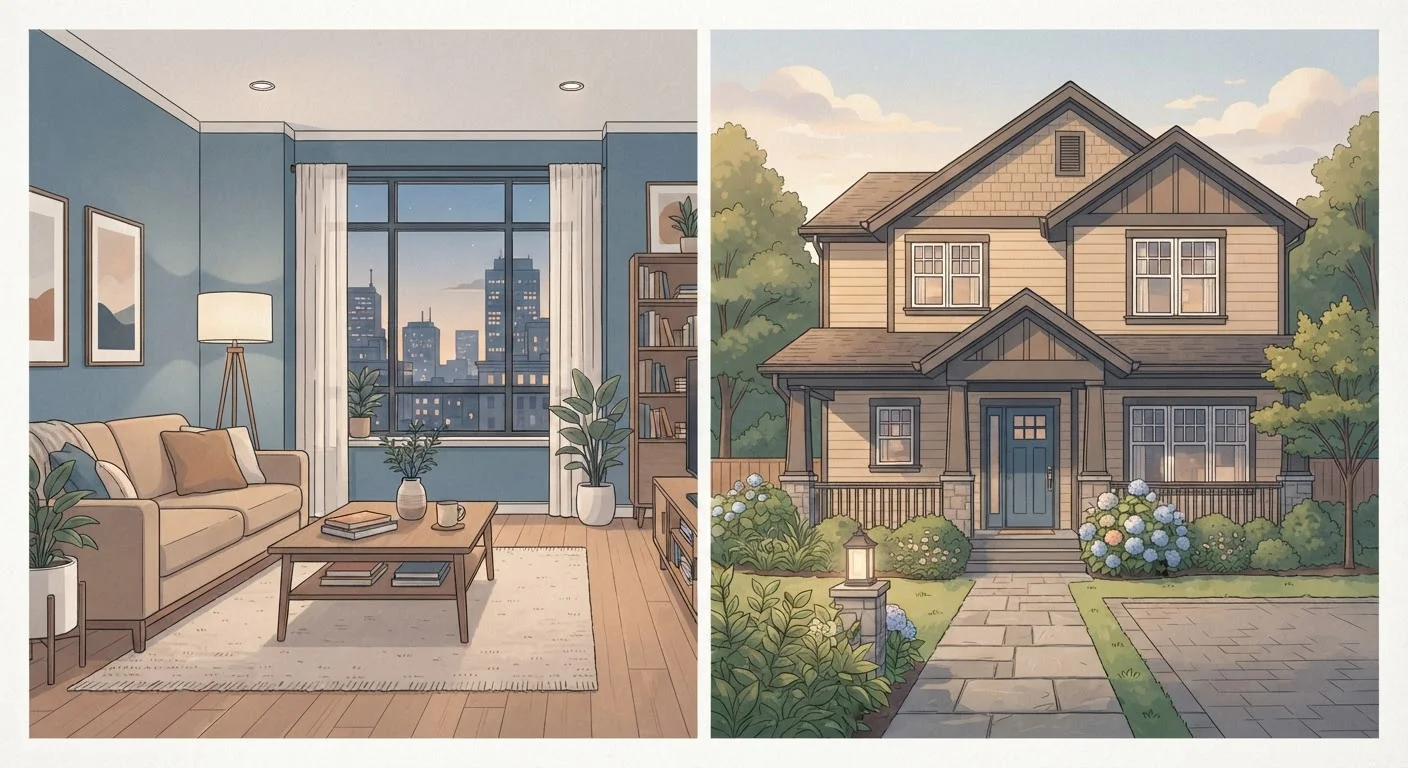
The single most important thing to understand about these two policy types comes down to ownership. Homeowners insurance is designed for people who own both the land and the structure they live in. Renters insurance is designed for people who own their personal property but not the walls around it.
When you rent, your landlord almost certainly carries a property insurance policy of their own. But that policy protects their investment — the building's structure, roof, plumbing, and fixed systems. It offers zero coverage for the furniture, electronics, clothing, or valuables sitting inside your unit. That gap is exactly what renters insurance is built to fill.
This distinction matters more than many tenants realize. A burst pipe, kitchen fire, or break-in can wipe out thousands of dollars' worth of personal property. Without your own policy, that loss comes entirely out of your pocket — regardless of what caused it or whose fault it was. For a deeper look at what a homeowners policy actually includes and excludes, see what homeowners insurance does and does not cover.
Side-by-Side: What Each Policy Covers
Both policy types share a general structure — personal property, liability, and loss of use coverage — but the details diverge in meaningful ways.
| Criterion | Renters Insurance | Homeowners Insurance |
|---|---|---|
| Covers the building/structure | No | Yes |
| Covers personal belongings | Yes | Yes |
| Personal liability coverage | Yes | Yes |
| Loss of use / additional living expenses | Yes (if unit is uninhabitable) | Yes (if home is uninhabitable) |
| Typically required by lender | No (sometimes required by landlord) | Yes, for mortgaged properties |
| Covers flood damage | No (separate policy needed) | No (separate policy needed) |
| Average annual cost (general range) | Generally lower | Generally higher |
One area where renters often get tripped up is loss of use coverage (also called additional living expenses). If a covered event like a fire makes your unit temporarily uninhabitable, both policy types can help pay for a hotel or temporary rental. But homeowners insurance may also cover displacement costs tied to the structure itself being under repair, whereas renters insurance kicks in specifically when your unit — not the building generally — becomes unlivable.
It's also worth noting that neither standard policy covers flood damage. That's true whether you own or rent. Flood coverage in the U.S. is typically obtained through the National Flood Insurance Program or a separate private flood policy. Tenants in flood-prone areas should be aware of this gap. For more on where standard policies fall short, coverage gaps people discover only after filing a claim is worth reading before you need it.
~55%
Renters without any insurance coverage
Industry estimates consistently suggest a majority of U.S. renters carry no renters insurance policy, leaving personal property and liability unprotected.
$1,000s
Typical out-of-pocket loss from theft or fire
Personal property losses from common events like theft, fire, or water damage can easily reach thousands of dollars with no policy to offset the cost.
Common Misconceptions That Leave Tenants Exposed
Several persistent myths lead renters to skip coverage they genuinely need. The most damaging one: "My landlord's insurance has me covered." It doesn't — full stop. A landlord's policy is a property owner's policy. As a tenant, you have no claim on it for your personal belongings or your liability exposure.
Another common misconception is that renters insurance is prohibitively expensive. While premiums vary by location, coverage limits, and deductible choices, renters policies are generally among the more affordable insurance products available to consumers. The insurance coverage myths that cost Americans money article addresses this and other widely held misbeliefs that end up being costly.
A third misunderstanding involves liability. Some renters assume that because they don't own property, they can't be held financially responsible for accidents. In practice, if a guest slips and falls in your apartment, or your dog bites someone, you can face a lawsuit. Renters insurance liability coverage can help pay legal costs and settlements up to your policy's limit.
What About Your Landlord's Policy?
Even if your lease doesn't require renters insurance, your landlord's property policy provides you no personal coverage. It protects the building and the landlord's interests only. If you want your belongings protected — and liability coverage in your name — you need your own policy. Some landlords now require proof of renters insurance as a lease condition, but that requirement isn't universal.
This article is for general informational purposes only and does not constitute personalized insurance, legal, or financial advice. Coverage terms, exclusions, and premiums vary by provider, state, and individual policy. Always read your policy documents carefully and consult a licensed insurance agent or adviser for guidance specific to your situation.