
Movement Doesn't Have to Look Like Exercise
For many Americans, the word "workout" conjures images of gyms, treadmills, or structured fitness classes - and that association alone can feel discouraging. But public health research consistently shows that accumulated physical activity throughout the day contributes meaningfully to overall health, regardless of whether it happens in a dedicated exercise session.
The U.S. Department of Health and Human Services recommends adults get at least 150 minutes of moderate-intensity physical activity per week. That goal is achievable through everyday movement - not just formal workouts. Whether you're building activity habits from scratch or simply looking for more variety, the strategies below reflect how real Americans stay active in practical, sustainable ways.
What Counts as 'Moderate Intensity'?
Moderate-intensity physical activity is generally described as movement that noticeably raises your heart rate and causes you to breathe faster, but still allows you to hold a conversation. Examples include brisk walking, active gardening, and light cycling. The specific intensity you experience will vary based on your current fitness level and health status - consult a healthcare provider for personalized guidance.
Eight Ways to Stay Active Beyond the Gym
Walking as purposeful daily transport
Walking ranks among the most accessible forms of physical activity available to most Americans. Rather than reserving it for dedicated "walks," many people integrate it into existing trips - parking farther from a store entrance, walking to a nearby errand instead of driving, or adding a short loop to a lunch break. Walking's health benefits are real but often misunderstood - understanding what it can and can't do helps set realistic expectations.
Walking to nearby destinations rather than driving is one of the simplest ways to build daily movement.
Gardening and yard work
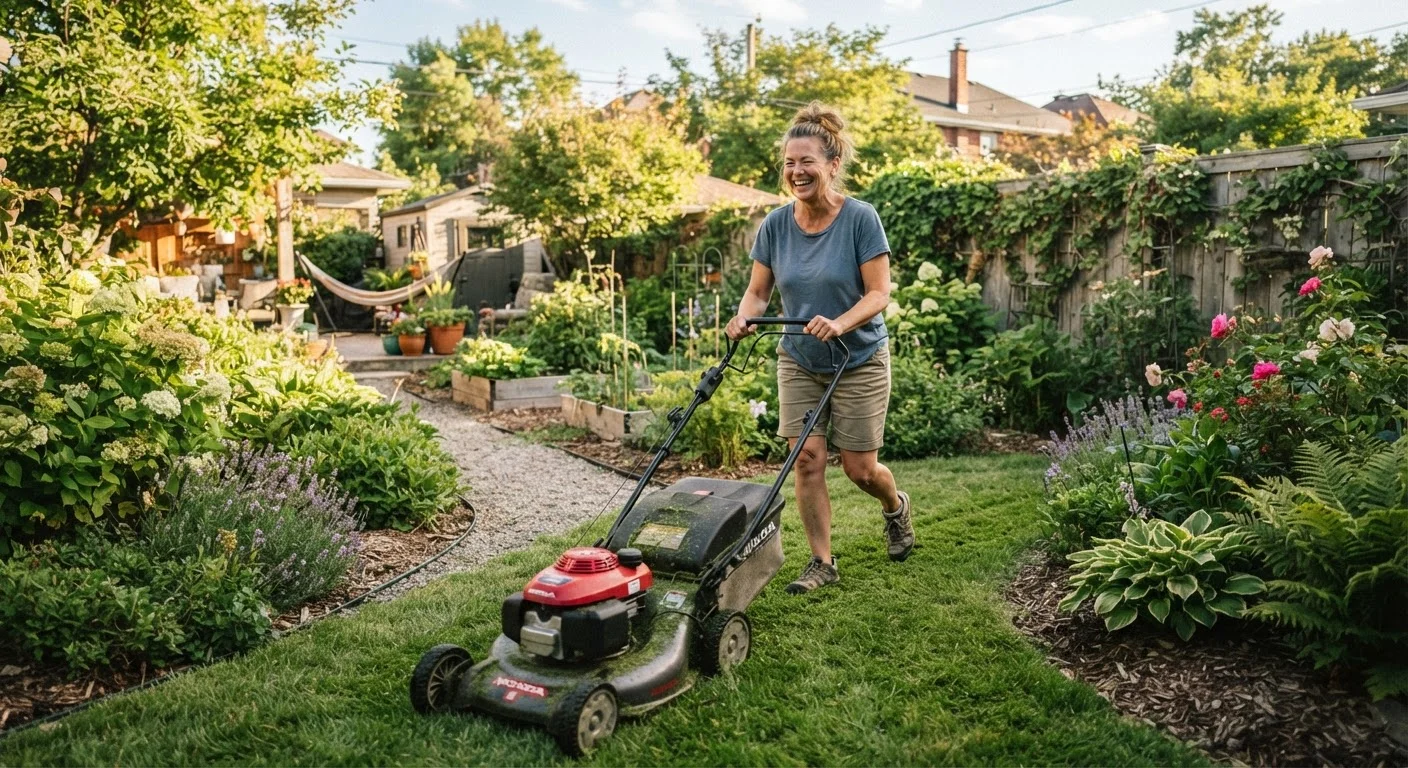
Digging, planting, weeding, mowing, and raking are all forms of moderate physical activity that engage multiple muscle groups. Gardening in particular involves squatting, lifting, pushing, and sustained low-intensity effort - a combination that benefits both muscular endurance and cardiovascular health. It also tends to hold people's attention in a way that treadmills don't, making consistency easier.
Digging, raking, and planting engage muscle groups in ways that rival many traditional strength exercises.
Stair climbing instead of elevators
Stair climbing is a compact, high-effort movement that elevates heart rate quickly. Choosing stairs over elevators or escalators - even for a few floors - introduces bursts of cardiovascular activity into otherwise sedentary workdays or errands. Over time, these small decisions accumulate. This is one of the easiest environmental changes to make, requiring no equipment and minimal time.
Choosing stairs over elevators even occasionally introduces real cardiovascular effort into an ordinary day.
Active commuting by bike or on foot
For those whose commute allows it, walking or cycling to work is one of the most efficient ways to reach weekly activity targets - because the time investment overlaps with time already spent commuting. Even a partial active commute (biking to a transit stop, walking the last mile) meaningfully increases daily movement. Urban infrastructure varies widely, so individual feasibility will differ.
Combining commuting with movement lets you meet activity goals without carving out additional time.
Household chores done with effort
Vacuuming, mopping, scrubbing, washing the car, and carrying laundry all involve sustained movement and, depending on intensity, can reach moderate activity levels. The key is doing them with enough pace and effort to raise the heart rate slightly rather than treating them as passive tasks. This framing turns an obligation into a genuine health contribution.
Cleaning with pace and effort can reach moderate-intensity activity levels recognized by health guidelines.
Playing actively with children or pets
Chasing a dog at the park, shooting hoops with a teenager, or playing tag with younger children are all genuine physical activities. These interactions tend to be spontaneous and enjoyable rather than goal-oriented - which research suggests improves long-term adherence to active habits. Adults with pets in particular often accumulate substantial daily step counts through regular dog walks and outdoor play.
Active play with dogs or children often produces more movement than many adults realize they're getting.
Dancing, whether social or solo
Dancing - at family gatherings, in the kitchen, or in community settings - is a legitimate aerobic activity. It improves coordination, balance, and cardiovascular endurance. Social dance styles like salsa, swing, or line dancing also offer a communal element that increases motivation and consistency. The informality removes the performance pressure associated with structured fitness classes.
Dancing is a genuine aerobic workout that many people sustain longer than traditional cardio because it's enjoyable.
Standing and moving during screen time
Americans spend substantial time watching TV, streaming content, or on video calls. Introducing movement into that time - stretching, light calisthenics during commercial breaks, pacing while on calls - converts passive sedentary time into something more active. This strategy works well alongside a weekly movement plan built around real-life constraints.
Stretching or pacing during screen time is a low-barrier way to reduce prolonged sedentary periods.
Track Cumulative Activity, Not Just Workouts
A step counter or activity tracker can reveal how much movement you're already accumulating through daily tasks - and where the gaps are. Rather than using it to chase a single daily step target, treat it as feedback on your overall pattern across the week. Small adjustments (an extra walk, one flight of stairs) become more motivating when you can see their impact.
Making Everyday Movement Stick
The common thread across all these approaches is intention. Most of these activities happen naturally in daily life - the shift is choosing to engage with them more deliberately and consistently. Pairing movement with existing habits (walking while on a phone call, taking stairs as a default, gardening on weekend mornings) reduces the mental friction of "fitting in" exercise.
For those who work at desks, movement strategies built around sedentary workdays can complement these everyday approaches. If you're curious how structured and unstructured activity compare, weighing home workouts against gym memberships offers a useful framework. And pairing movement with balanced nutrition amplifies its benefits - explore everyday nutrition guidance for practical eating habits that support an active lifestyle.
This article is for general informational purposes only and does not constitute medical advice. Speak with a qualified healthcare professional before making significant changes to your physical activity level, particularly if you have any existing health conditions.