
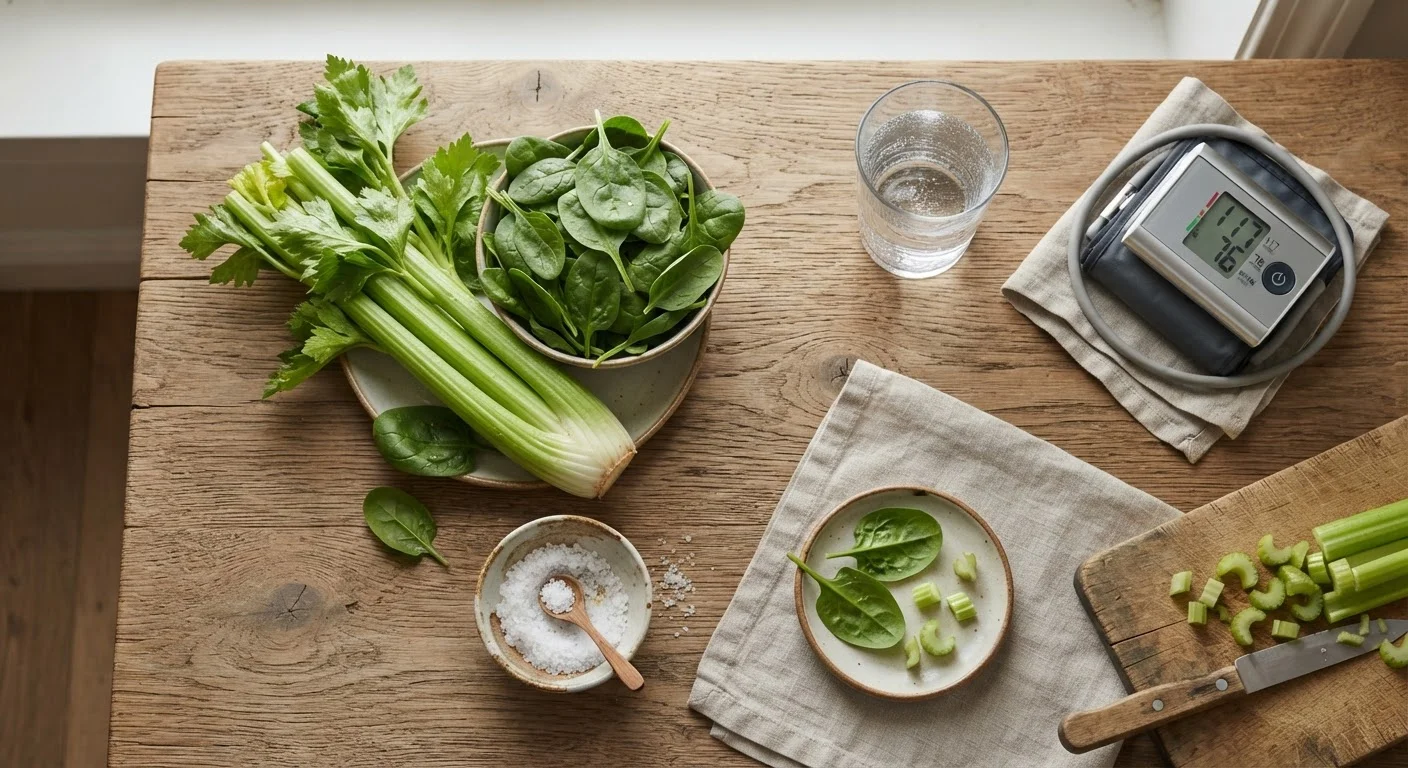
Why the Simple Advice Gets Complicated
"Just eat less salt" ranks among the most commonly repeated pieces of nutrition advice in America. It is not wrong, exactly — but as a universal prescription, it glosses over decades of research showing that sodium's relationship with blood pressure is far more individual, and far more contextual, than a single sentence can capture.
Understanding what the science actually says can help you make more informed choices about your own diet — and recognize when advice that works for one person may not be the whole story for another. As with many nutrition topics, the nuance is in the details. Explore other nutrition myths the evidence has largely moved past for broader context.
This Is General Information, Not Personal Medical Advice
The information in this article reflects general nutrition science and public health guidance. Individual blood pressure and sodium needs vary based on medical history, genetics, medications, and other factors. If you have hypertension, kidney disease, or any cardiovascular condition, please speak with your healthcare provider before making significant dietary changes.
How Sodium Affects Blood Pressure — The Core Mechanism
Sodium is an essential mineral that the body uses to regulate fluid balance, nerve signaling, and muscle function. When sodium intake rises, the body retains more water to dilute the concentration in the bloodstream. That extra fluid volume increases the pressure that blood exerts against arterial walls — what we measure as blood pressure.
For many people, the kidneys eventually compensate by excreting the excess sodium and fluid. But for others — those who are salt-sensitive — this compensation is slower or less efficient, meaning blood pressure stays elevated longer. Salt sensitivity is not a diagnosis your doctor formally assigns, but it is a well-documented physiological trait that affects how powerfully your body responds to dietary sodium.
~75%
Hypertensive adults who are salt-sensitive
Research suggests that up to 75% of people with hypertension show meaningful blood pressure responses to changes in dietary sodium intake.
70–80%
Dietary sodium from processed and restaurant foods
According to the U.S. Centers for Disease Control and Prevention, the vast majority of Americans' sodium intake comes from packaged and commercially prepared foods, not the salt shaker.
2,300 mg
Daily sodium limit for most adults (USDA guideline)
The Dietary Guidelines for Americans set 2,300 mg per day as the recommended upper limit for sodium intake for most healthy adults.
Who Is Most Affected — and Why It Varies
Research estimates that roughly 25–50% of people with normal blood pressure are salt-sensitive, while the proportion climbs to as high as 75% among those already diagnosed with hypertension. Older adults, people of African descent, individuals with chronic kidney disease, and those with diabetes tend to show higher rates of salt sensitivity — though these are population-level patterns, not universal rules.
Genetics shape how the kidneys filter sodium and how hormones like aldosterone regulate fluid retention. That means two people eating identical diets can have meaningfully different blood pressure responses. This is one reason clinical trials on sodium reduction show a wide range of outcomes across participants.
“The blood pressure response to dietary sodium varies considerably between individuals, and this variability is shaped by genetics, kidney physiology, and the broader dietary context — which is why population-wide targets are a starting point, not a universal prescription.”
— Frank Sacks, Professor of Cardiovascular Disease Prevention, Harvard T.H. Chan School of Public Health
Where Sodium Actually Hides in the American Diet
Most people assume the problem is the salt shaker — but research tells a different story. Approximately 70–80% of sodium in the typical American diet comes from packaged, processed, and restaurant foods, not from seasoning added during cooking or at the table. Bread, canned soups, deli meats, cheese, condiments, and pizza are among the highest contributors.
This matters because reducing table salt while continuing to eat heavily processed food may have a limited effect on actual sodium intake. Learning to read nutrition labels is a practical first step — understanding every line of a nutrition facts panel can help you spot hidden sodium in everyday products.
The Dietary Pattern Picture: Sodium Doesn't Work Alone
Blood pressure is not governed by sodium in isolation. Potassium — found in vegetables, legumes, and certain fruits — helps the kidneys excrete sodium and has an independently beneficial effect on blood pressure. Magnesium and calcium also play roles. The DASH (Dietary Approaches to Stop Hypertension) eating pattern, which emphasizes fruits, vegetables, whole grains, and low-fat dairy while limiting saturated fat, has demonstrated meaningful blood pressure reductions in clinical trials — partly through its effect on these mineral balances, not only sodium reduction.
Building a nutritionally balanced plate naturally addresses many of these factors without requiring rigid dietary rules. And broader cross-cultural evidence reinforces this: eating patterns from around the world linked to long-term health tend to share an emphasis on whole, minimally processed foods — not necessarily very low sodium diets.
Focus on the Whole Pattern, Not One Nutrient
Rather than tracking sodium milligrams obsessively, consider shifting toward a dietary pattern that naturally limits processed foods — where most dietary sodium originates — while increasing whole vegetables, legumes, and fruit. This approach improves potassium and magnesium intake simultaneously, supporting blood pressure through multiple pathways at once.
What This Means for Your Own Choices
None of this means sodium is harmless or that public health guidance is misguided. For people with hypertension, kidney disease, or established cardiovascular risk, moderating sodium intake is a well-supported and often clinically recommended strategy. But for individuals with normal blood pressure who are otherwise healthy, the urgency — and the required degree of restriction — may be less universal than broad messaging implies.
Rather than fixating on a single nutrient, most nutrition scientists and clinicians emphasize the overall dietary pattern: prioritizing whole foods, limiting ultra-processed products, and ensuring adequate intake of potassium and magnesium. If you have questions about what sodium targets are appropriate for your specific health circumstances, a registered dietitian or your primary care provider is the right source of personalized guidance.
This article is for general informational and educational purposes only and does not constitute medical or dietary advice. Individual health needs vary significantly. Please consult a qualified healthcare professional before making changes to your diet, especially if you have a diagnosed health condition.