
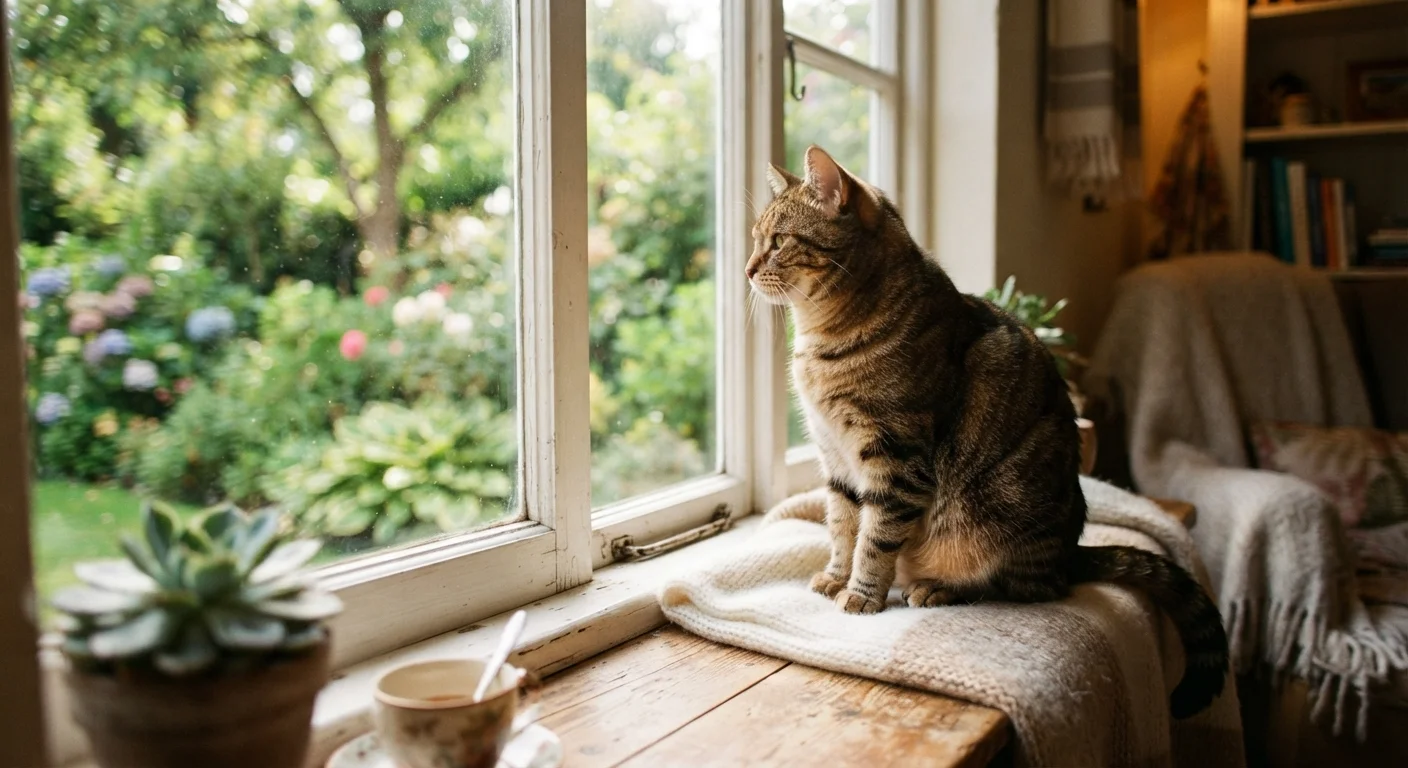
The Lifespan Gap Is Real
One of the most cited differences between indoor and outdoor cats is lifespan. Veterinary organizations generally report that indoor cats live, on average, considerably longer than cats with outdoor access — some estimates suggest indoor cats live 12 to 18 years on average, while outdoor cats may average far fewer. The gap reflects accumulated exposure to threats that are largely absent inside a home.
Outdoor cats face vehicles, predators, infectious diseases spread through contact with other animals, toxins in yards and gutters, and the risk of getting lost or trapped. These aren't rare events — they're routine hazards of unsupervised outdoor life. For owners weighing this decision, lifespan is a legitimate and important factor, not a scare tactic.
That said, longevity isn't the only measure of a good life. A cat that lives 18 years in chronic boredom or stress may not be better off than one that lives fewer years with richer daily experiences. Lifespan matters, but it exists alongside quality of life — and both deserve honest consideration. For a fuller look at the evidence, see the trade-offs for health and wellbeing.
What Indoor Life Does Well — and Where It Falls Short
Substantially longer average lifespan
Indoor cats are shielded from vehicles, predators, and roaming dangers that are among the most common causes of premature death in outdoor cats.
Lower exposure to infectious disease and parasites
Without contact with other animals or contaminated outdoor environments, indoor cats face a significantly reduced risk of FeLV, FIV, and common parasite infestations.
Predictable, controllable environment
Owners can manage diet, weight, and hazards more effectively indoors, making it easier to spot behavioral or health changes early.
No contribution to wildlife predation
Indoor cats don't hunt wild birds or small mammals, removing a documented ecological impact associated with free-roaming domestic cats.
Indoor environments eliminate most of the acute dangers cats face outside. Vaccines, parasite prevention, and regular vet care remain important indoors, but the baseline risk level is substantially lower. Cats kept inside are also less likely to contribute to local wildlife predation, which is an ecological concern of genuine significance — domestic cats are among the leading human-linked threats to wild bird populations in North America.
The shortcoming of indoor life is enrichment. Cats are predators by instinct; they need mental stimulation, movement, and opportunities to express natural behaviors like stalking, jumping, scratching, and hunting. A bare apartment with no interactive toys, climbing structures, or regular play sessions can lead to boredom, anxiety, destructive behavior, or weight gain. The indoor environment is only as good as the effort put into it.
Indoor Enrichment Is Not Optional
A cat kept indoors without adequate stimulation can develop stress-related behaviors including excessive grooming, aggression, or destructive scratching. Vertical space like cat trees, regular interactive play sessions, puzzle feeders, and window perches are practical tools — not extras. The goal is to meet your cat's behavioral needs within a controlled environment, not simply to confine them.
What Outdoor Access Offers — and What It Costs
Higher exposure to vehicles and predators
Traffic accidents and encounters with dogs, coyotes, or other wildlife are among the leading causes of injury and death in outdoor cats.
Elevated risk of infectious disease
Contact with other cats spreads FeLV, FIV, and upper respiratory infections at rates far higher than those seen in indoor-only populations.
Greater parasite burden
Fleas, ticks, ear mites, and intestinal parasites are significantly more common in cats that spend time outdoors, requiring more intensive and ongoing prevention.
Risk of getting lost, stolen, or trapped
Outdoor cats can wander beyond familiar territory, become disoriented, or be picked up by others — outcomes that are difficult to reverse.
Outdoor access gives cats a richness of sensory experience that's genuinely difficult to replicate inside. Fresh air, varied terrain, real prey-like movement, and complex smells engage a cat's brain in ways that even the best indoor enrichment only partially mimics. For cats that were raised outdoors or have strong roaming instincts, restricting access entirely can itself be a source of chronic stress.
The costs, however, are substantial. Beyond physical dangers, outdoor cats face higher rates of infectious disease — feline leukemia virus (FeLV) and feline immunodeficiency virus (FIV) spread through contact with infected cats, and respiratory illnesses circulate through community cat populations. Parasites including fleas, ticks, and intestinal worms are more prevalent. Veterinary expenses often reflect this elevated risk, which connects to the broader picture of what pet ownership actually costs.
The Middle Ground: Supervised and Contained Outdoor Options
Many owners find a workable balance between full outdoor freedom and strict indoor confinement. Catios — enclosed outdoor structures attached to a window or door — allow cats to experience fresh air, sunlight, and outdoor sights and smells without unsupervised roaming. Leash and harness walking is another option some cats adapt to well, though it requires patient training and not every cat takes to it.
Supervised yard time, where an owner is present and the area is fenced or enclosed, offers another layer of access without full free-roaming risk. These options won't satisfy every cat's instincts equally, but they meaningfully close the enrichment gap while preserving a much safer environment.
12–18 yrs
Typical indoor cat lifespan
Veterinary sources commonly cite this range for well-cared-for indoor cats, compared to considerably shorter averages for cats with outdoor access.
~1.3–4B
Wild birds killed by cats annually in the U.S.
A widely referenced estimate from a study published in Nature Communications attributes a significant portion of this predation to free-roaming domestic cats.
If you're navigating this decision in a smaller living space, keeping a cat in an apartment is very achievable with the right setup. And if you're still deciding between getting a cat or dog altogether, matching a pet's lifestyle to your own is a useful starting point.
This article is for general informational purposes only and does not constitute veterinary advice. Consult a licensed veterinarian for guidance specific to your cat's health and circumstances.