
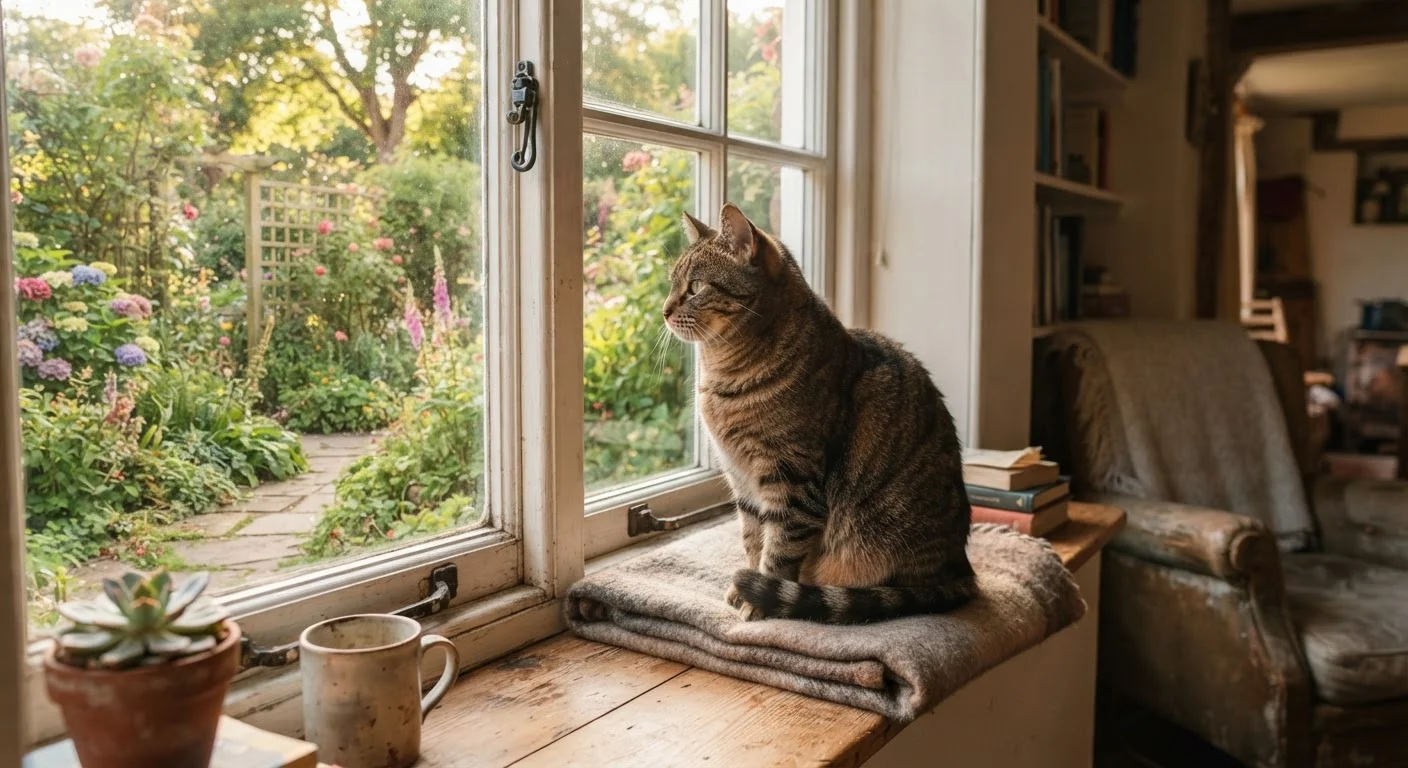
Why the Indoor vs. Outdoor Question Matters
The decision to keep a cat indoors or allow outdoor access is one of the most consequential choices a cat owner makes — and one of the most debated. It touches on lifespan, behavioral wellbeing, veterinary costs, and even neighborhood ecology. There's no single right answer, but there is real evidence that can help you think it through.
If you're still deciding whether cat ownership suits your living situation at all, the guide on matching a pet's lifestyle to your own is a useful starting point. For those already committed to cats, understanding what each lifestyle actually involves — not just in theory but day to day — is what this breakdown is for.
Your Cat's Individual Temperament Matters
Some cats — particularly those rescued from the street or adopted as adults with outdoor history — may show strong drive to roam and become distressed when confined. Others are naturally calm and adapt well to indoor life from kittenhood. There's no one-size-fits-all answer; observing your specific cat's behavior and consulting your veterinarian can help inform what arrangement is realistic and humane for your situation.
The Case for Keeping Cats Indoors
Veterinary and animal welfare organizations in the U.S. broadly recommend indoor living for domestic cats, and the reasoning is grounded in data. Indoor cats face far fewer acute dangers: no vehicle traffic, no territorial fights with other cats, no exposure to predators like coyotes or birds of prey, and significantly reduced risk of contracting diseases spread through wildlife or unvaccinated strays.
Dramatically reduced risk of injury or death
Indoor cats avoid traffic, predators, and fights with other animals — the leading causes of early death and serious injury in free-roaming cats.
Lower exposure to infectious disease
Diseases like feline leukemia virus (FeLV), feline immunodeficiency virus (FIV), and upper respiratory infections spread more easily among outdoor cats through contact with wildlife and strays.
Fewer parasites and toxin exposures
Fleas, ticks, intestinal parasites, and environmental toxins such as rodenticides are far more common risks for cats who spend time outside.
Longer average lifespan
Veterinary sources consistently indicate that indoor cats live significantly longer on average than their outdoor counterparts, often by a decade or more.
Easier to monitor health changes
When a cat lives indoors, owners can more readily notice changes in appetite, litter box habits, or behavior — early indicators that often matter in diagnosis.
Lifespan differences between indoor and outdoor cats are substantial. Estimates from veterinary sources suggest indoor cats live an average of 12–18 years, while free-roaming outdoor cats average closer to 2–5 years, though this figure can vary widely based on environment. Indoor cats are also less likely to ingest toxins — from pesticides, plants, or antifreeze — that are common outdoor hazards.
If space is a concern, it's worth reading about keeping pets comfortable in smaller homes, since apartment cats can thrive indoors with the right setup.
The Genuine Downsides of Indoor Life
Honesty matters here: indoor living without adequate enrichment creates its own welfare problems. Cats are predatory animals with strong instincts to stalk, climb, scratch, and explore. A cat living in an unstimulating environment can develop boredom-related issues including repetitive behaviors, over-grooming, aggression, or weight gain from inactivity.
Reduced sensory stimulation and environmental complexity
Cats instinctively seek novelty, territory, and prey — a static indoor environment can fail to meet these needs without deliberate enrichment.
Higher risk of obesity and related conditions
Without the movement that outdoor exploration provides, indoor cats are more prone to weight gain, which is associated with diabetes, joint issues, and shortened lifespan.
Behavioral problems from boredom or stress
Under-stimulated cats may develop destructive scratching, litter box avoidance, or anxiety-related behaviors that owners often find difficult to manage.
Greater dependency on owner for enrichment
Unlike outdoor cats who self-direct much of their activity, indoor cats rely on their owners to provide play, variety, and interaction consistently.
Obesity is a real and growing concern in indoor cats. Without opportunities to chase and move in varied ways, many cats become sedentary. This connects directly to nutrition — the differences between dry and wet food matter more when a cat's activity level is lower and caloric balance is harder to maintain passively.
Finding a Middle Ground: Enrichment and Controlled Outdoor Access
The binary framing of "indoor vs. outdoor" doesn't capture all the options available to modern cat owners. Enrichment strategies can bring many of the benefits of outdoor life inside, and controlled outdoor access can reduce — though not eliminate — the associated risks.
12–18 yrs
Average lifespan of indoor cats
Veterinary sources commonly cite this range for well-cared-for indoor cats, compared to significantly shorter estimates for free-roaming cats.
~60%
U.S. cats estimated to be overweight
The Association for Pet Obesity Prevention has found in surveys that a substantial majority of domestic cats in the U.S. are overweight or obese, a trend linked partly to sedentary indoor lifestyles.
Indoor enrichment worth prioritizing:
- Tall cat trees and wall-mounted climbing shelves that mimic vertical territory
- Puzzle feeders and food-dispensing toys that engage hunting instincts
- Rotating toy variety to prevent habituation
- Window perches with bird feeders or bird baths positioned outside for passive stimulation
- Regular interactive play sessions — at least 10–15 minutes twice daily is a commonly cited guideline
Controlled outdoor options:
- A fully enclosed catio (cat patio) attached to the home or a window
- Supervised leash walks using a cat-appropriate harness
- Fully fenced garden enclosures with cat-proof tops or rollers
Health maintenance also plays into this. Whether your cat goes outdoors or not, spaying and neutering affects behavioral patterns, disease risk, and roaming tendency. The health implications of spaying and neutering are worth reviewing as part of this broader decision. For a deeper dive into how each lifestyle shapes a cat's day-to-day experience, see this balanced look at indoor and outdoor cat lives.
This article provides general information for educational purposes and is not a substitute for professional veterinary advice. Consult a licensed veterinarian for guidance specific to your cat's health and circumstances.