
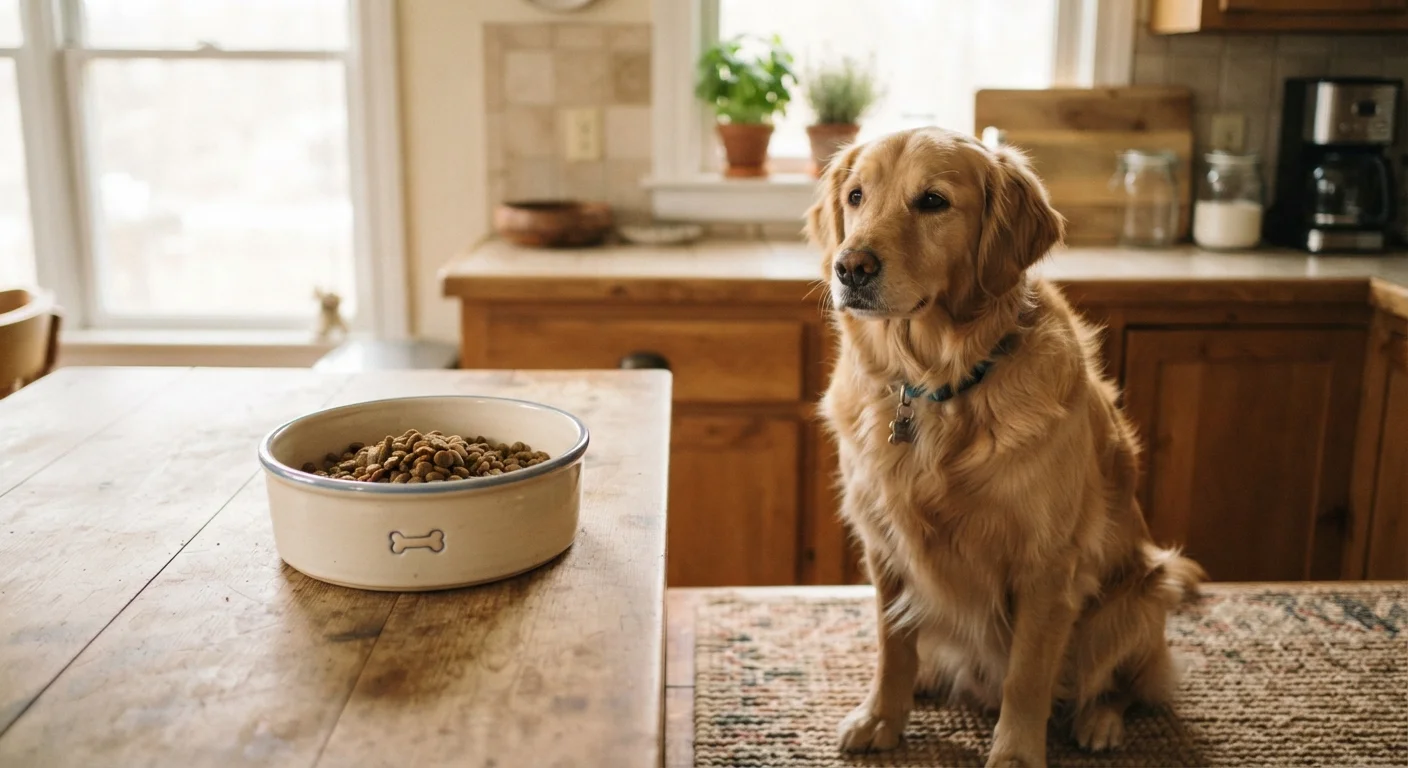
Why Pets Gain Weight in the First Place
Pet weight gain almost always comes down to a simple imbalance: more calories consumed than burned. But understanding how that imbalance happens in everyday pet ownership is where things get practical.
The most common culprits aren't dramatic overindulgence — they're subtle, well-intentioned habits. A second scoop of kibble here, a generous handful of treats there, table scraps offered out of love. These small additions add up fast, especially in smaller dogs and cats where even an extra 50 calories per day can translate into meaningful weight gain over months.
Factors that increase a pet's risk of gaining weight include:
- Age: Metabolism slows as pets age, meaning caloric needs decrease even if appetite stays the same.
- Spay/neuter status: Altered pets tend to have lower energy requirements than intact animals.
- Breed: Some breeds — Labrador Retrievers, Beagles, Dachshunds, and domestic shorthair cats among them — are genetically predisposed to weight gain.
- Activity level: Indoor-only cats and low-exercise dogs burn fewer calories and need less food accordingly.
- Free-feeding: Leaving food out all day makes it nearly impossible to track how much your pet is actually eating.
If you're noticing changes in your pet's shape or appetite alongside behavioral shifts, our guide to signs your pet may be telling you something is wrong can help you identify when a vet visit is warranted.
Responsible Feeding Practices That Make a Real Difference
Getting feeding right doesn't require perfection — it requires consistency and a few key habits. The following practices are grounded in veterinary nutrition guidance and make a measurable difference in maintaining a healthy weight over a pet's lifetime.
Measure food portions with a standard measuring cup or kitchen scale at every meal.
Eyeballing portions consistently leads to overfeeding — studies in veterinary nutrition have found that even experienced owners underestimate serving sizes significantly. Accurate measurement is the single most controllable variable in daily caloric intake.
Use the feeding label as a starting point, then adjust based on your vet's guidance and your pet's actual condition.
Label recommendations are formulated for the average pet and often skew on the generous side. They don't account for your individual animal's age, activity level, spay/neuter status, or metabolic rate.
Switch from free-feeding to scheduled, portioned meals — ideally twice daily for adult dogs and cats.
Free-feeding makes it impossible to know how much your pet is eating. Scheduled meals create predictability, support digestive health, and make changes in appetite — a key health signal — much easier to detect.
Count treats as part of the daily calorie budget, not in addition to it.
Treats are not calorie-free rewards. Failing to account for them creates a consistent surplus that compounds over time, even when main meals are carefully portioned.
Recalculate portions when your pet's life stage, activity level, or health status changes.
A young, active dog and a 10-year-old dog of the same breed do not have the same caloric needs. Caloric requirements shift meaningfully with age, reproductive status, and activity — feeding the same amount for years is a recipe for gradual weight gain.
For a deeper look at what nutritional balance actually means for dogs and cats, see our explainer on balanced pet diets.
The Treat Math Most Pet Owners Miss
Treats are one of the most underestimated contributors to pet weight gain. Many owners track meals carefully but forget that treats carry real calories — and those calories count toward the daily total.
~56%
U.S. dogs estimated to be overweight or obese
According to Association for Pet Obesity Prevention survey data, more than half of adult dogs in the U.S. are above their ideal body weight.
10%
Maximum recommended treat share of daily calories
Veterinary nutritionists generally advise that treats should not exceed 10% of a pet's total daily caloric intake to avoid disrupting dietary balance.
A useful rule of thumb endorsed by many veterinary nutritionists: treats should make up no more than 10% of your pet's daily caloric intake. That sounds straightforward until you calculate it. A 10-pound cat might need around 200 calories per day total — meaning their treat budget is roughly 20 calories. Many commercial cat treats contain 2–5 calories each, so even a modest handful can eat into that budget quickly.
Low-Calorie Treat Swaps Worth Knowing
Plain cooked vegetables like green beans, baby carrots, or cucumber slices are naturally low in calories and accepted by many dogs as treats. For cats, small amounts of plain cooked chicken or fish can serve as high-value rewards. Always confirm a specific food is safe for your pet's species before offering it, and check with your vet if your pet has any underlying health conditions.
Some well-meaning habits that quietly harm pet health — like offering treats every time a pet approaches — reinforce food-seeking behavior while steadily adding to caloric load. Redirecting with play, grooming, or verbal praise can satisfy the bonding need without the extra calories.
Talking to Your Vet About Your Pet's Weight
Your veterinarian is the most important resource in managing your pet's weight — not because pet owners can't learn to assess it themselves, but because a professional evaluation catches what the eye misses.
“We can usually tell within a minute of feeling a pet's ribs whether they're carrying too much weight — but most owners have never been shown what to feel for. Teaching that skill is one of the most practical things we do in a wellness visit.”
— A board-certified veterinary internist, Veterinary internal medicine specialist
Vets use a Body Condition Score (BCS) — typically a 9-point scale — to evaluate whether a pet is underweight, at an ideal weight, or overweight. This hands-on assessment considers rib coverage, waist definition, and abdominal tuck. It's a more reliable indicator than the number on a scale alone, since healthy weight varies significantly by breed and frame.
When you bring your pet in, ask your vet to:
- Assign a current BCS and explain what it means
- Calculate an approximate daily calorie target for your specific pet
- Review your current feeding routine, including treats and any table food
- Suggest a realistic goal weight if weight loss is needed
If your pet is already overweight, understand that this is a medical concern with documented health consequences. Our article on why pet obesity is a medical concern, not just an aesthetic one covers the research on joint disease, diabetes risk, and lifespan in more detail.
This article is for general informational purposes only and is not a substitute for professional veterinary advice. Always consult a licensed veterinarian for guidance specific to your pet's health and nutritional needs.