
Why Good Intentions Aren't Always Enough
Most pet owners aren't neglectful — they're devoted. The habits that quietly harm pets usually come from love, routine, and assumptions that feel completely reasonable. A few extra treats, a skipped flea pill, a vet visit that keeps getting rescheduled — none of these feel like risks in the moment. But over time, they add up.
Understanding where well-meaning care goes wrong is one of the most practical things you can do for your pet's long-term health. The mistakes below aren't about blame — they're about closing the gap between good intentions and genuinely protective habits. For a broader look at what everyday pet care should look like, the Pet Care Basics hub is a solid starting point.
The Most Common Habits That Backfire
Each of the following patterns is rooted in care — but they carry real risks when left unexamined. Review them honestly against your own routine.
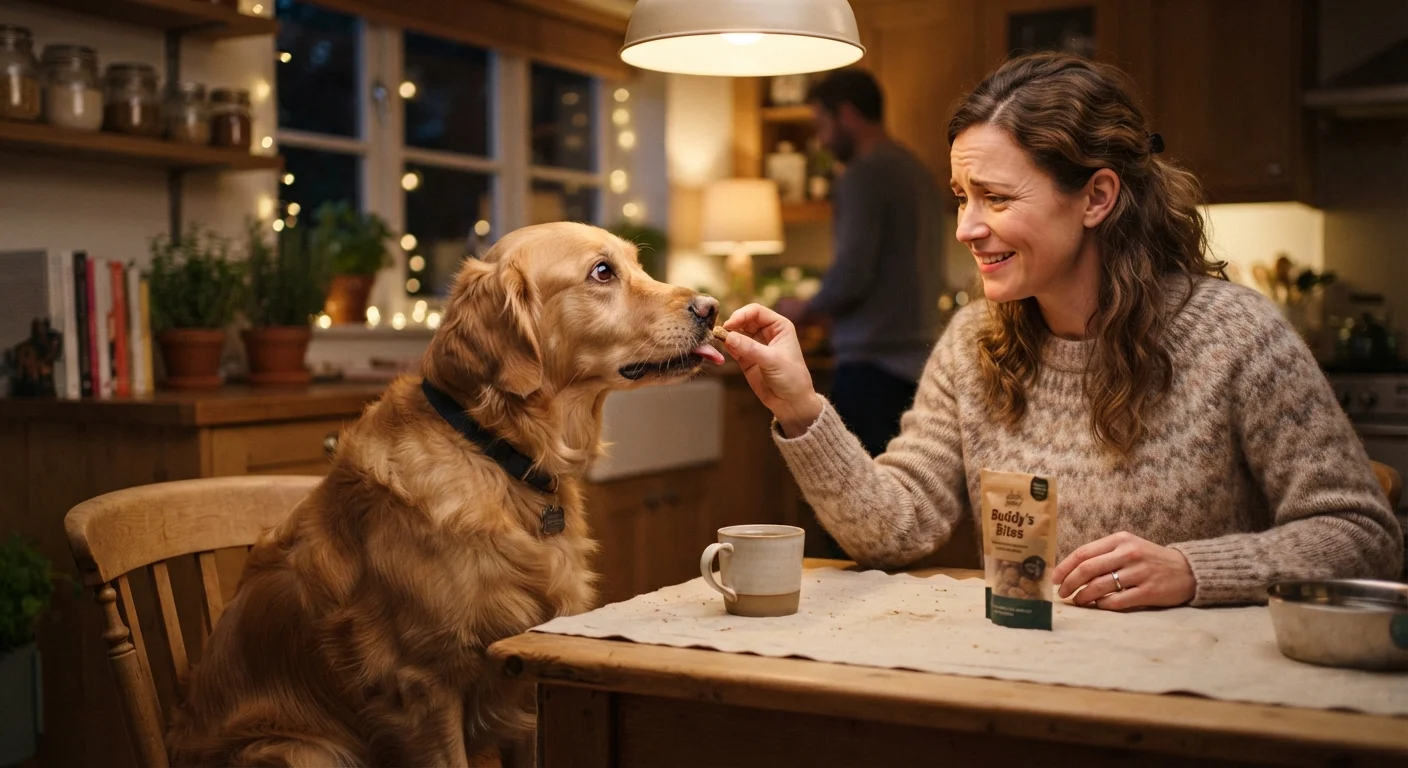
Overfeeding treats or table scraps under the assumption that 'a little extra' won't matter.
Why it happens: Treats feel like love, and pets are skilled at communicating hunger. Owners often underestimate how calorie-dense small extras can be relative to a pet's daily needs.
Letting parasite prevention lapse because the pet appears healthy and symptom-free.
Why it happens: Many parasites cause no obvious symptoms early on, so owners assume an unmedicated pet is a protected pet. Cost, inconvenience, or distrust of 'unnecessary' medication also plays a role.
Skipping or postponing annual wellness exams because the pet seems perfectly healthy.
Why it happens: When a pet isn't showing obvious distress, routine vet visits can feel unnecessary and expensive. Owners may wait until a problem is visible before scheduling an appointment.
Using human shampoos, cleaning products, or topical treatments on pets.
Why it happens: Many owners assume that products safe for humans — especially gentle or 'natural' ones — translate safely to pets. The product is already in the house, so it feels like a practical shortcut.
Reinforcing anxious or fearful behavior by over-consoling a distressed pet.
Why it happens: It's instinctive to comfort a frightened animal. Owners soothe, hold, or baby-talk pets during storms or stressful events without realizing this may signal that the fear is justified.
Ignoring dental hygiene because the pet doesn't complain about their teeth.
Why it happens: Pets rarely show obvious signs of dental pain, so owners assume their mouth is fine. Dental care also feels optional compared to feeding or exercise.
Dental health deserves special mention here. Most dogs and cats over three years old show some signs of dental disease, yet it remains one of the most overlooked areas of pet care. See why dental disease is the most overlooked pet health problem for a fuller picture of what's at stake and what actually helps.
Some Foods Are Toxic, Not Just Unhealthy
Several common human foods — including grapes, raisins, xylitol (an artificial sweetener), onions, and chocolate — are genuinely toxic to dogs and cats, not merely unhealthy. Even small amounts can cause organ damage or life-threatening emergencies. If your pet has consumed any of these, contact a veterinarian or animal poison control immediately rather than waiting to see how they feel.
Feeding Habits: Where Most Owners Need a Second Look
Overfeeding is the single most common contributor to pet obesity, and the consequences go well beyond weight. Excess body weight is clinically linked to joint disease, diabetes, reduced mobility, and a measurably shorter lifespan in both dogs and cats. For a research-grounded look at why this matters medically, pet obesity is a medical concern, not just aesthetics explains the mechanisms clearly.
~60%
U.S. dogs and cats classified as overweight or obese
According to the Association for Pet Obesity Prevention's clinical surveys, the majority of American pets are carrying excess weight.
80%
Dogs over 3 showing signs of periodontal disease
Veterinary dental health organizations estimate that periodontal disease affects the large majority of adult dogs, often without visible symptoms.
If you're unsure whether your pet's current weight is appropriate, your vet can assess body condition using a standardized scoring system — something no home scale or online calculator can replicate accurately. Responsible feeding practices start with honest portion awareness and a conversation with your vet.
Prevention Is the Habit That Pays Off Most
Parasite prevention and routine vet visits are the two areas where delays cost pets the most — and where owners are most likely to let things slide when a pet seems healthy. The reality is that many serious conditions, including heartworm infection and early organ disease, show no outward symptoms until they've progressed significantly.
For a clear overview of how the three most common parasites affect U.S. pets, what every pet owner should understand about fleas, ticks, and heartworm breaks down how transmission happens and why prevention is far simpler than treatment. Similarly, annual wellness exams matter even for healthy pets — routine bloodwork and physical assessments catch problems early, when outcomes are generally much better.
Learning to read your pet's signals between vet visits also matters. Signs your pet may be telling you something is wrong covers the behavioral and physical cues worth taking seriously — and when they warrant a call to your vet.
This article provides general pet health information for educational purposes only. It is not a substitute for professional veterinary advice, diagnosis, or treatment. Always consult a licensed veterinarian for guidance specific to your pet's health and circumstances.