
Why Dental Disease Flies Under the Radar
Most pet owners know to watch for limping, vomiting, or lethargy. Dental disease rarely announces itself that clearly. Pets instinctively mask pain, so a dog with severely infected gums may still eat, play, and seem fine to a casual observer. By the time an owner notices something is wrong — bad breath they can no longer ignore, a dropped toy, reluctance to chew — the disease is often well advanced.
This is compounded by a widespread misconception: that bad breath is just "normal" for dogs and cats. It isn't. Persistent odor from a pet's mouth is almost always a sign of bacterial overgrowth, gum inflammation, or infection. Normalizing it delays the care pets need.
Dental disease also progresses silently below the gumline, where owners simply cannot see it. Surface discoloration and visible tartar are signs worth noting, but the most damaging activity happens in pockets between the gum and tooth root — territory only a veterinary exam with probing can assess. See our guide to recognizing pet health signals for a broader look at subtle warning signs.
Dental Disease Is Graded on a Scale
Veterinarians typically grade periodontal disease from Stage 1 (early gingivitis with no bone loss) to Stage 4 (severe bone loss and tooth destruction). Earlier stages are more treatable and less costly to manage. This grading system helps vets communicate how urgent treatment is and what interventions are appropriate.
How Oral Infection Affects the Whole Body
The mouth is not an isolated system. When gum tissue becomes chronically infected, bacteria can enter the bloodstream — a process called bacteremia. Over time, this bacterial exposure has been associated with inflammatory changes in the heart, kidneys, and liver. In dogs, there is a documented association between periodontal disease and certain heart valve conditions, though researchers continue to study the precise mechanisms.
Think of it this way: allowing dental infection to persist is not simply a matter of accepting bad teeth. It places a low-grade, ongoing burden on the immune system and vital organs. This is why veterinarians increasingly frame dental health as a component of whole-body wellness — not a cosmetic add-on.
80%+
Dogs with dental disease by age three
Veterinary dental research consistently estimates that more than 80% of dogs show signs of periodontal disease by their third year of life.
70%+
Cats affected by age three
Studies suggest a similar pattern in cats, with the majority showing evidence of periodontal disease early in adulthood.
#1
Most diagnosed condition in dogs and cats
Dental and periodontal disease is widely cited by veterinary organizations as the single most commonly diagnosed health condition in companion animals.
Pets with unmanaged dental disease may also experience chronic pain that affects their quality of life in ways that are easy to miss. A cat that stops grooming itself, or a dog that becomes less playful, may be responding to oral discomfort. These behavioral shifts are worth discussing with a vet. Our article on when to seek veterinary care sooner covers situations where waiting is not the right call.
What Effective Dental Care Actually Looks Like
There are two pillars of pet dental care: professional veterinary cleanings and consistent at-home maintenance. Both matter, and neither fully replaces the other.
Professional Cleanings
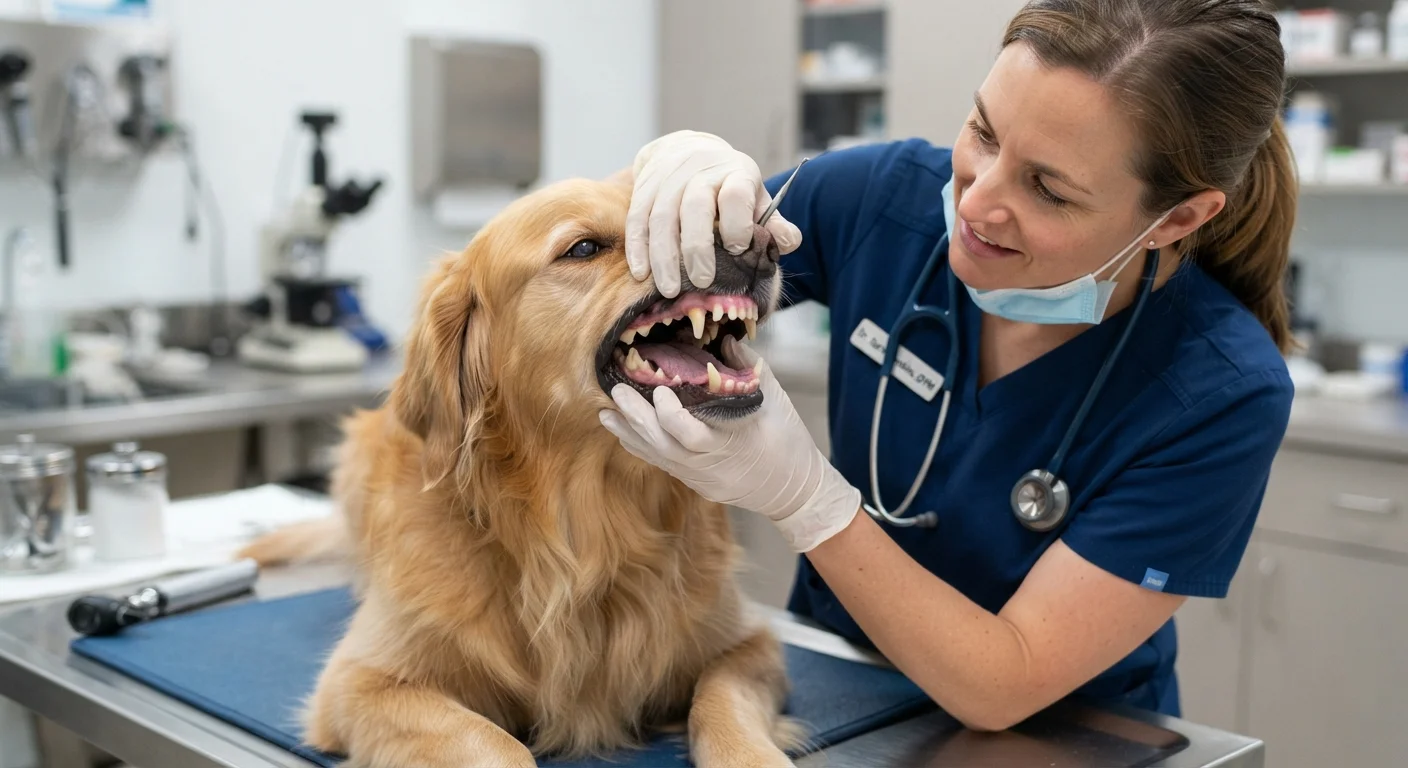
A proper veterinary dental cleaning is performed under general anesthesia. This allows the vet to safely scale above and below the gumline, probe each tooth for pocket depth, take dental X-rays, and extract teeth that are beyond recovery. Anesthesia is not optional for thorough care — it is what makes the procedure both safe and complete. The risks of anesthesia, when assessed and managed by a veterinary team, are generally far lower than the risks of untreated dental disease.
At-Home Care
Daily tooth brushing with a pet-safe toothpaste is the most consistently supported home care method. It disrupts plaque before it mineralizes into tartar. Some pets accept brushing easily; others need gradual introduction starting with finger rubbing and flavored toothpaste. Dental chews and water additives that carry the Veterinary Oral Health Council (VOHC) seal have met testing standards for plaque or tartar reduction and can serve as supplemental support — though they are not substitutes for brushing or professional care.
Starting Tooth Brushing the Right Way
Begin by letting your pet sniff and lick pet-safe toothpaste off your finger for a few days. Gradually introduce a finger brush or soft-bristled pet toothbrush, working up to gentle circular strokes along the outer tooth surfaces. Aim for daily sessions of 30–60 seconds. Positive reinforcement after each session helps build tolerance over time.
Routine annual wellness exams are also where dental problems are often first identified, making them a critical checkpoint even when a pet seems perfectly healthy.
Building the Habit Before Disease Takes Hold
The most effective time to start dental care is before disease develops. Puppies and kittens can be introduced to tooth brushing early, when they are most adaptable. For adult pets new to brushing, the process takes patience — short sessions, positive reinforcement, and gradual progression go a long way.
It's also worth knowing that certain breeds carry higher risk. Small dogs, brachycephalic (flat-faced) breeds like Bulldogs and Pugs, and Persian cats are particularly prone to dental crowding and early disease. If your pet falls into a high-risk group, asking your vet about a proactive dental monitoring schedule is a reasonable step.
Dental disease doesn't have to be inevitable. With consistent home care and regular veterinary checkups, most pets can maintain significantly better oral health throughout their lives. It fits squarely into the kind of foundational care covered in our Pet Care Basics hub — the daily habits that quietly determine long-term health outcomes. Skipping dental care, much like other well-meaning oversights, often comes from a lack of information rather than neglect.
This article is for general informational purposes only and does not constitute veterinary advice. Always consult a licensed veterinarian for guidance specific to your pet's health needs.