
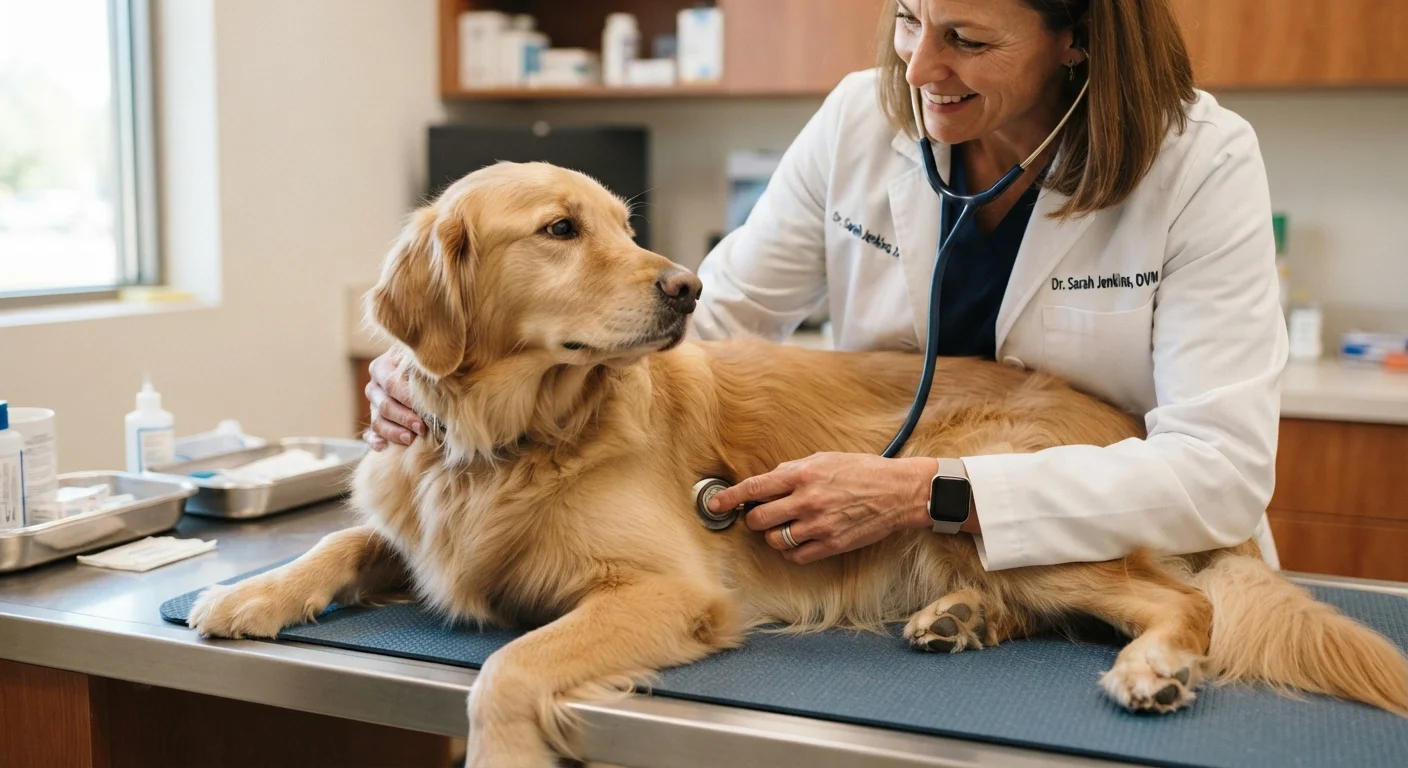
What Happens During a Wellness Exam
A wellness exam is far more than a quick look-over. From nose to tail, your veterinarian is systematically assessing organ systems and body condition to establish — or update — a complete picture of your pet's health.
Typical components include:
- Weight and body condition score — changes in either direction can signal metabolic or systemic issues
- Heart and lung auscultation — detecting murmurs, arrhythmias, or abnormal breathing sounds
- Oral health assessment — dental disease affects the majority of dogs and cats over age three and is frequently caught here first
- Abdominal palpation — feeling for organ enlargement, masses, or pain
- Skin and coat evaluation — looking for lumps, rashes, parasites, or coat changes that suggest nutritional or hormonal problems
- Lymph node check — swelling can indicate infection or immune-related conditions
- Eye and ear inspection — identifying early infection, pressure changes, or discharge
Your vet will also review your pet's parasite prevention and vaccination schedule, and may recommend age-appropriate diagnostics like a complete blood count or urinalysis.
Make the Most of Every Appointment
Write down any behavioral or physical changes you've noticed in the weeks before the visit — changes in water intake, sleep patterns, activity level, or appetite. Even observations that seem minor can give your vet meaningful clinical context that isn't visible in a brief exam room encounter.
Why 'Healthy-Looking' Doesn't Mean Healthy
One of the most important things to understand about pets is that they evolved to conceal weakness. In the wild, showing illness invites predation — so domestic animals carry that same instinct to hide discomfort until a condition is quite advanced.
This means your pet can have early kidney disease, a developing heart problem, or a significant dental infection and appear completely normal at home. By the time behavioral or physical symptoms become obvious to you — lethargy, weight loss, appetite changes — many conditions are already at a moderate or advanced stage.
The wellness exam is designed to catch that gap. A vet trained to recognize subtle abnormalities — a slightly enlarged lymph node, a faint heart murmur, a change in gum color — can identify issues that even attentive owners would reasonably miss. That said, your observations at home remain genuinely valuable. If you notice anything unusual between visits, review signs your pet may be telling you something is wrong to help gauge whether a call to the vet is warranted.
~70%
Dogs and cats with dental disease by age three
The American Veterinary Medical Association estimates that most pets show signs of periodontal disease by age three, despite it being largely asymptomatic in early stages.
4–7x
Faster aging rate in pets vs. humans
Depending on species and size, dogs and cats age several times faster than humans, meaning one calendar year can bring significant physiological change.
The Baseline Advantage: Why Continuity Matters
One underappreciated benefit of regular wellness exams is the health baseline they create. When a vet sees your pet every year, they build a longitudinal record — body weight trends, heart rate norms, previous bloodwork values — that is specific to your individual animal.
This matters because "normal" varies between individuals. A slightly elevated kidney value in isolation may mean nothing, or it may be meaningful — but without a prior baseline to compare it against, that distinction is harder to make. A pet seen consistently at the same practice gives their vet the context to interpret new findings accurately rather than in a vacuum.
This continuity is especially valuable as pets age. Senior pets experience health changes quickly, and having a multi-year health record makes it substantially easier for vets to identify when something has shifted meaningfully. If you want to support monitoring between visits, learning to read your pet's vital signs at home can complement what happens in the clinic.
Exam Frequency May Vary by Life Stage
Puppies and kittens typically need more frequent visits in their first year to complete vaccination series and monitor rapid development. Adult pets generally follow an annual schedule, while senior pets often benefit from biannual exams. Your vet will recommend the cadence that fits your pet's specific age and health history.
Prevention Is Part of Every Visit
Beyond assessment, wellness exams are a practical opportunity to stay current on preventive care. Parasite prevention — heartworm, fleas, ticks, intestinal worms — is reviewed and updated based on your region and your pet's exposure risk. Vaccines are evaluated against current guidelines, with core and non-core recommendations tailored to your pet's lifestyle. For a plain-language breakdown of how those decisions are made, see pet vaccines demystified.
The visit is also the right moment to raise nutrition questions, behavioral concerns, or changes in daily habits. Vets can flag when common well-intentioned practices — like overfeeding certain foods or skipping parasite prevention — are quietly undermining health. Our piece on habits that can quietly harm your pet covers several of those patterns in detail.
Think of the annual wellness exam less as a formality and more as the single most reliable tool in your pet care toolkit — one that costs relatively little compared to treating conditions that go undetected until they become serious.
This article is for general informational purposes only and does not constitute veterinary medical advice. Always consult a licensed veterinarian for guidance specific to your pet's health needs.