
Why the Core vs. Non-Core Framework Exists
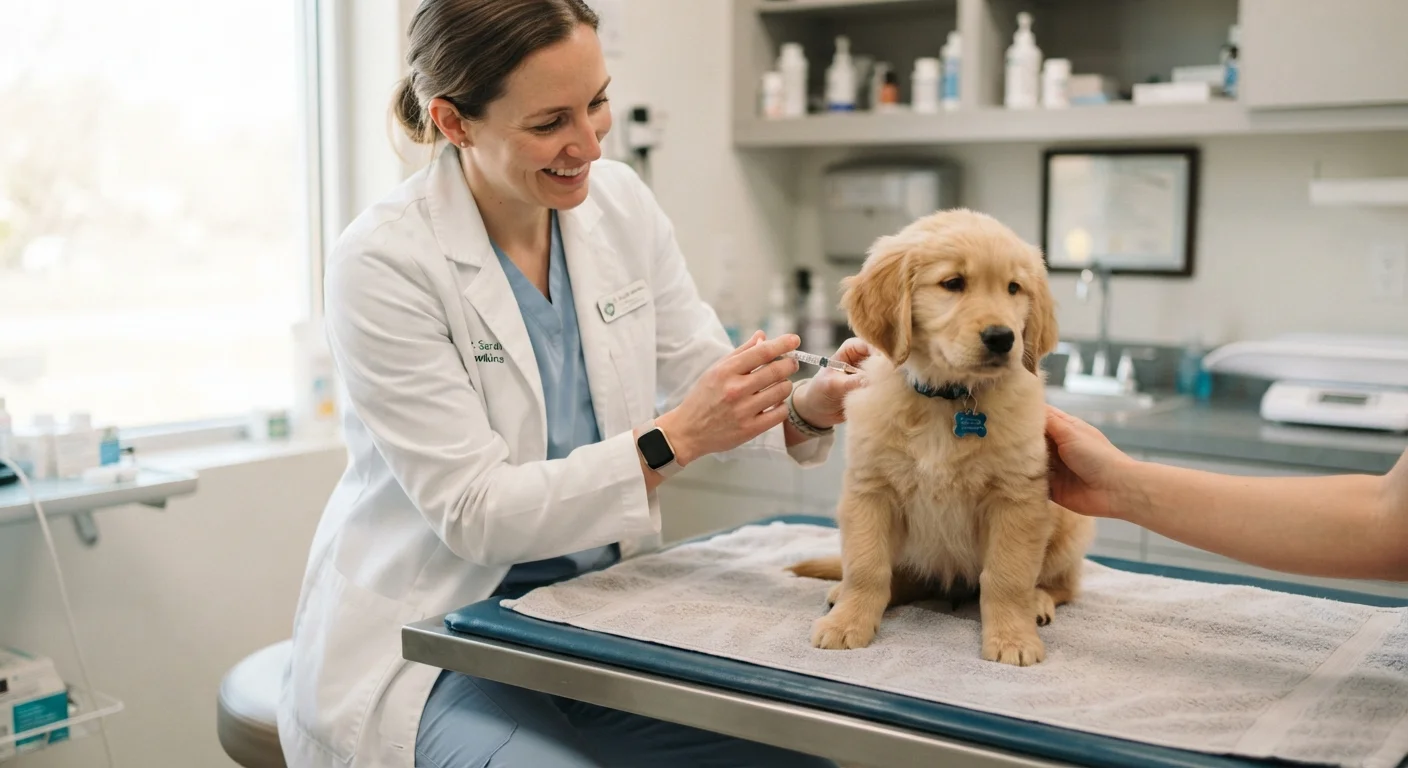
Vaccination science has advanced well beyond the days of giving every pet the same shots on the same schedule. Today, veterinary organizations categorize vaccines into two broad groups — core and non-core — to ensure pets receive necessary protection without unnecessary interventions.
Core vaccines target diseases that are either highly contagious, life-threatening, have no reliable treatment, or pose a public health risk (like rabies). Because these threats exist wherever pets live, the vaccines that prevent them apply universally. Non-core vaccines address real but situational risks: a dog that frequents boarding facilities faces different exposures than one who rarely leaves a rural yard.
This framework also reflects growing awareness that over-vaccination carries its own small risks, including injection-site reactions and, in rare cases, immune-mediated responses. Tailoring protocols helps balance protection against unnecessary procedures. For a broader look at how routine vet visits fit into preventive care, see why annual wellness exams matter.
Guidelines Are Updated Periodically
Vaccine recommendations from organizations like AAHA and AAFP are not static. As new research emerges on vaccine duration, disease prevalence, and immune response, protocols are revised. This is one reason an annual wellness exam — rather than just a vaccine appointment — gives vets the opportunity to reassess your pet's full preventive care plan. Consult your veterinarian for the most current guidance applicable to your pet.
Core Vaccines: The Non-Negotiables
For dogs, core vaccines generally include:
- Rabies — legally required in most U.S. states; fatal once symptoms appear
- Canine distemper — a severe, often fatal viral disease affecting multiple organ systems
- Canine parvovirus — highly contagious and dangerous, especially in puppies
- Canine adenovirus (hepatitis) — causes serious liver disease
For cats, core vaccines typically include:
- Rabies — required by law in many states even for indoor cats
- Feline panleukopenia (distemper) — highly contagious and frequently fatal without intervention
- Feline herpesvirus and calicivirus — major causes of upper respiratory disease, often administered together in a combination shot
These aren't optional add-ons. Missing core vaccines leaves pets — and the people around them — genuinely vulnerable. Even predominantly indoor pets can escape, encounter wildlife, or be exposed during a veterinary visit or boarding stay.
~4,000–5,000
Rabies cases in U.S. wildlife annually
According to the CDC, thousands of animal rabies cases are reported each year in the U.S., underscoring why rabies vaccination remains a core requirement even for low-risk pets.
~1 in 3
Pets will need emergency vet care each year
The American Pet Products Association has estimated that a significant share of pets require unexpected veterinary visits annually, reinforcing the value of preventive care including vaccination.
Non-Core Vaccines: When Lifestyle Shapes the Protocol
Non-core vaccines protect against real diseases — they simply aren't universally necessary. A veterinarian evaluates each pet's specific exposure risk before recommending them. Common non-core vaccines and the situations that might warrant them include:
- Bordetella (kennel cough) — dogs and cats: Recommended for pets that visit groomers, boarding facilities, dog parks, or shelters
- Leptospirosis — dogs: Suggested for dogs in areas with wildlife contact, standing water, or known leptospirosis activity in the region
- Lyme disease — dogs: Relevant in tick-heavy regions or for dogs that spend significant time outdoors in wooded areas
- Canine influenza: Considered for dogs in high-contact social settings or regions where outbreaks have occurred
- Feline leukemia virus (FeLV) — cats: Core for kittens; non-core for adult cats, but strongly recommended for cats with outdoor access or exposure to other cats
A lifestyle conversation with your vet is the starting point. Be honest about your pet's routine — where they go, who they interact with, and whether that's likely to change. A move to a new region, a new dog-park habit, or a foster situation can all shift the risk calculus.
Bring a Lifestyle Summary to Your Vet Visit
Before your pet's next appointment, jot down where your pet spends time, who they interact with, and any recent changes — new living situation, travel, added pets, or new outdoor activities. This helps your vet conduct a thorough risk assessment quickly and make non-core vaccine recommendations grounded in your pet's actual life, not assumptions.
How Vaccine Needs Change Over a Pet's Lifetime
Puppies and kittens receive a series of vaccines during their first months because maternal antibodies gradually wane and their immune systems are still developing. Adult boosters maintain immunity over time. As pets enter their senior years, the picture becomes more nuanced — some older pets with certain health conditions may need modified protocols, and your vet may reassess the frequency or combination of vaccines accordingly. See how health needs shift as animals age for more on managing care as your pet gets older.
Non-core vaccines may also be added or dropped over time. A formerly outdoor cat who is now strictly indoors after a move may no longer need certain vaccines. A dog newly enrolled in weekly daycare might need Bordetella protection they didn't require before.
Keeping your vet updated on lifestyle changes — not just health issues — is one of the most practical things you can do to keep your pet's vaccination plan current. And since vaccine costs can be a factor in overall pet ownership budgets, it's worth knowing that pet insurance coverage sometimes includes wellness benefits that offset preventive care expenses.
This article is for general informational purposes only and is not a substitute for professional veterinary advice. Always consult a licensed veterinarian regarding your pet's health and vaccination needs.