
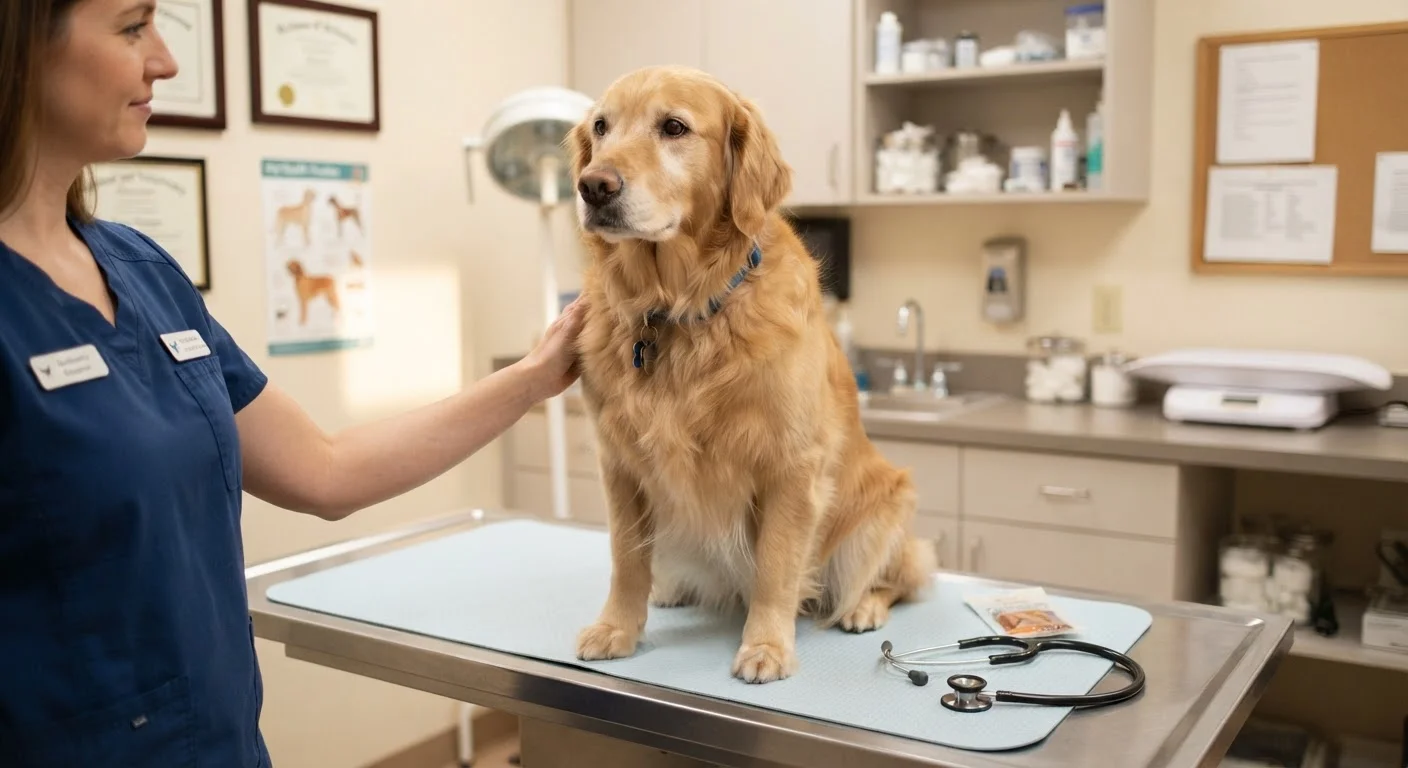
How Pet Insurance Works
Pet insurance operates on a straightforward principle: you pay a monthly or annual premium to maintain coverage, and when your pet needs veterinary care, the insurer reimburses a portion of eligible costs. Most U.S. policies follow a reimbursement structure — meaning you pay the vet bill in full at the time of service and then file a claim to recover covered expenses.
Three key variables shape how much you actually receive after a claim:
- Deductible: The amount you pay out of pocket before reimbursement begins. Deductibles can be annual or per-incident, depending on the plan.
- Reimbursement rate: The percentage of the covered bill the insurer pays after your deductible — commonly 70%, 80%, or 90%.
- Annual coverage limit: The maximum amount the insurer will reimburse in a policy year. Some plans offer unlimited annual limits; others cap at a specific dollar amount.
If you're new to insurance terminology, the Insurance from Scratch starter guide covers premiums, deductibles, and limits in plain language.
Enroll While Your Pet Is Young and Healthy
Premiums are typically lower for younger pets, and any condition your pet develops after enrollment can be covered under most plans. Waiting until a health problem appears means that issue will likely be excluded. If you're considering pet insurance, earlier enrollment almost always gives you better coverage options at a lower cost.
What Pet Insurance Typically Covers
Coverage varies by policy type, but most comprehensive accident-and-illness plans include:
- Emergency care and hospitalization
- Surgeries, including orthopedic procedures
- Diagnostic tests such as X-rays, bloodwork, and MRIs
- Prescription medications related to a covered condition
- Cancer treatment, including chemotherapy and radiation
- Chronic conditions like diabetes or arthritis — provided they were not pre-existing at enrollment
Accident-only plans are a lower-cost alternative that cover injuries — broken bones, lacerations, accidental poisoning — but exclude all illnesses. They're a limited safety net, not a comprehensive one.
Wellness and preventive care (routine exams, vaccinations, dental cleanings) are usually sold as optional add-ons rather than included in standard plans. For a closer look at which vaccines your pet may need, see Pet Vaccines Demystified.
$1,000–$5,000+
Typical cost range for common pet surgeries
Emergency procedures like orthopedic surgery or intestinal obstruction removal regularly reach these figures at U.S. veterinary clinics.
~$56/month
Average dog insurance premium in the U.S.
According to the North American Pet Health Insurance Association (NAPHIA), average monthly premiums for dogs hover around this figure, varying by breed, age, and location.
~$32/month
Average cat insurance premium in the U.S.
NAPHIA industry data consistently shows cats cost less to insure than dogs on average, due to lower average claim sizes.
What Pet Insurance Does Not Cover
Understanding exclusions is just as important as understanding what's included. Common exclusions across most policies include:
- Pre-existing conditions: Any illness or injury documented before enrollment — or that appears during the waiting period — is typically excluded permanently or for a defined period.
- Elective and cosmetic procedures: Ear cropping, tail docking, and similar procedures are rarely covered.
- Breeding costs: Pregnancy, whelping, and reproductive care are almost universally excluded.
- Dental disease: Dental illness (as opposed to dental accidents) is excluded by many plans, though some comprehensive policies include it.
- Behavioral therapy: Some insurers exclude treatment for behavioral conditions, while others cover it with limitations.
Waiting Periods Apply to New Policies
Almost all pet insurance policies include waiting periods — typically a few days for accidents and up to 14 days or more for illnesses. Any condition that emerges during this window may be classified as pre-existing and permanently excluded. Don't assume coverage is active the day you sign up.
Policy language matters enormously. Two plans with similar premium costs can have very different exclusion lists. Always read the full policy document — not just the marketing summary — before enrolling.
This parallels how other insurance products work. The Policy Terms Explained hub is a useful reference for decoding common insurance language.
When Pet Insurance Makes Financial Sense
Pet insurance isn't the right financial move for every owner, but there are clear situations where it provides real value.
It tends to make more sense when:
- You have a breed known for hereditary health issues (hip dysplasia in large dogs, respiratory problems in flat-faced breeds, etc.)
- You could not comfortably absorb a $3,000–$8,000 emergency vet bill out of pocket
- Your pet is young and healthy — meaning you can lock in a lower premium before any conditions emerge
- You want predictable monthly costs rather than unpredictable large expenses
It may make less sense when:
- Your pet is older and premiums are high, or multiple conditions are already excluded
- You have robust savings specifically earmarked for pet care
- Your pet's breed has a historically low rate of serious illness
Pet ownership carries more financial weight than many new owners anticipate. The Hidden Costs for New Pet Owners article walks through the full picture of recurring and unexpected expenses.
“The question isn't whether something will go wrong with your pet — it's whether you'll be financially prepared when it does. Insurance is one tool for managing that uncertainty.”
— American Veterinary Medical Association, Professional guidance body for U.S. veterinarians
For broader context on how pet insurance fits alongside other personal insurance types, see The Four Pillars of Personal Insurance. And for ongoing pet health guidance, the Pet Health hub is a reliable starting point.
This article is for general informational purposes only and does not constitute insurance, financial, or veterinary advice. Policy terms, coverage, and exclusions vary by provider and state. Always review the full policy document and consult a licensed insurance professional before making coverage decisions.