
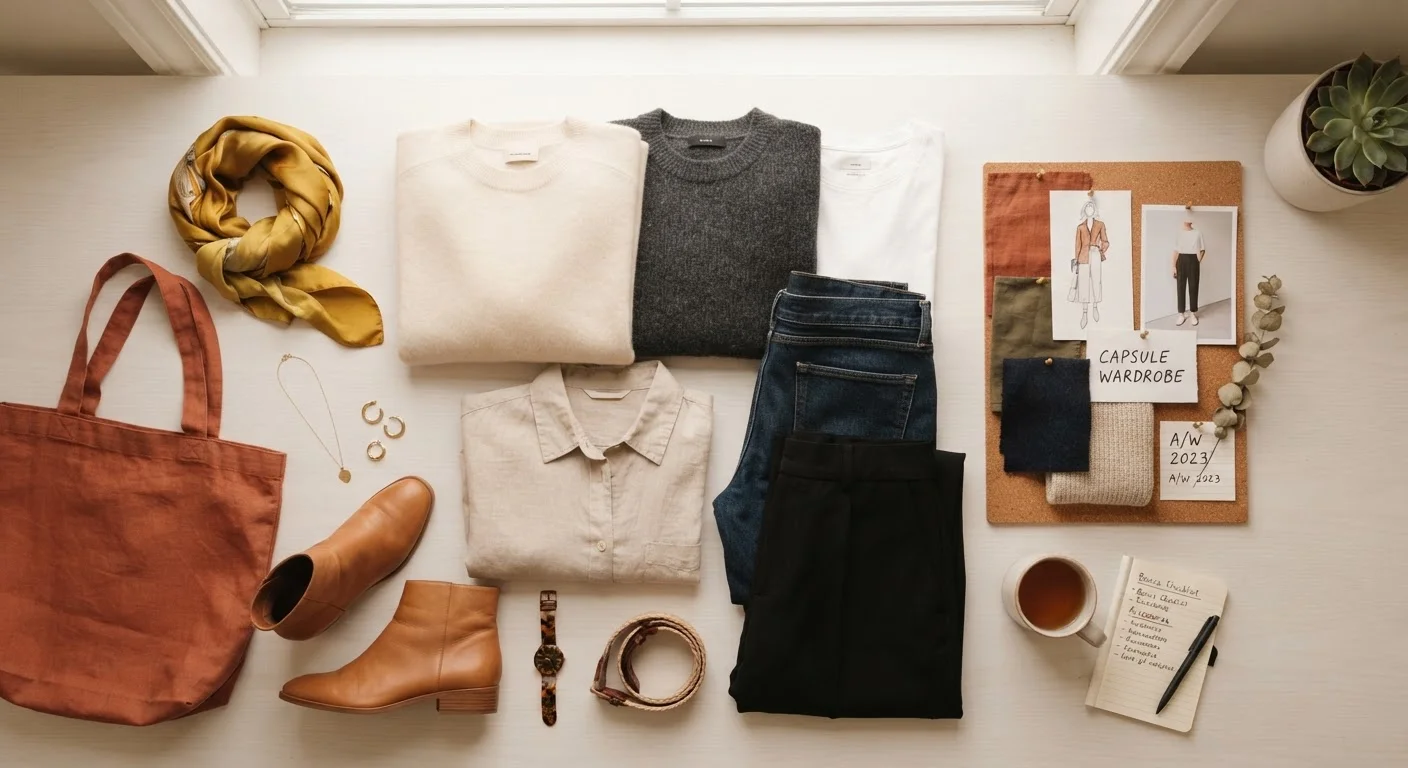
What Personal Style Really Is
Personal style is not a fashion statement — it is a self-statement. It is the ongoing, often unconscious process of communicating who you are through the choices you make about how you dress and present yourself every day. That distinction matters, because it shifts the project from chasing the right trends to understanding yourself.
Personal style goes deeper than fashion — it is shaped by your values, your daily life, your cultural background, and what simply makes you feel like yourself when you look in the mirror. Trends can inform it, but they do not define it.
The good news: there is no correct aesthetic to land on. The goal of this guide is to help you move from a scattered, reactive relationship with your wardrobe toward a deliberate, confident one — whatever that looks like for you.
Style Is for Every Body and Budget
Personal style is not a privilege reserved for people with certain body types, income levels, or access to particular stores. The principles in this guide — clarity of aesthetic, intentional purchasing, functional curation — apply regardless of where you shop or what you spend. Great style is about intention, not price tags.
Discovering Your Aesthetic
Before you buy a single item, spend time figuring out what you are actually drawn to. This is the most skipped — and most important — step in building a cohesive look.
Start by gathering visual reference points. Save images to a folder or mood board over the course of two to three weeks without editing yourself. After that time, look for patterns: Are you drawn to clean lines or layered textures? Neutral palettes or bold color? Structured silhouettes or relaxed fits? Those recurring themes are your aesthetic talking.
If you feel completely at a loss, this beginner's guide to finding your style walks through the discovery process step by step.
When building your mood board, include images of people in real, everyday situations — not just editorial shoots. This helps you filter for what is actually wearable in your life versus what only works under perfect conditions.
Aspirational imagery can skew your aesthetic sense toward looks that are difficult to translate into daily wear, leading to purchases that go unworn.
Try the hanger trick for your audit: turn all your hangers backward, then flip each one forward only when you wear the item. After 60 days, anything still backward is a strong candidate for removal.
Tracking actual use — rather than relying on memory — gives you an accurate picture of what is genuinely part of your rotation versus what just takes up space.
It also helps to consider the three Cs: comfort (what feels good on your body), context (where you actually go day to day), and character (what reflects your personality). The overlap of those three is your personal style sweet spot.
Auditing What You Already Own
A wardrobe audit sounds tedious but it is genuinely revelatory. Pull everything out and create three groups: what you wear regularly and love, what you keep but rarely reach for, and what you hold onto out of guilt or nostalgia but never wear.
The first group tells you what your style actually is right now. The second group reveals style confusion — pieces that seemed right in the store but do not work in real life. The third group is deadweight.
80%
Clothes worn only 20% of the time
Research on consumer wardrobe habits consistently finds that most people regularly wear only a small fraction of the clothes they own.
3x
Versatile pieces worn more often
Style practitioners and wardrobe consultants frequently note that items that coordinate across multiple outfits are worn significantly more than single-use pieces.
Once you can see only what you genuinely use, gaps become obvious and intentional additions become much easier to identify. This process also prevents the most common wardrobe mistake: buying new things before understanding what you already have.
Pay attention to what is missing in terms of function, not just aesthetics. If you repeatedly have nothing to wear on Mondays or for a specific type of occasion in your life, that gap is where to direct your next purchase — not toward whatever caught your eye on a shopping app.
Keep a 'Worn Today' Note
For one month, jot down what you actually wore each day. It takes less than ten seconds and produces a remarkably honest picture of your real style habits. Most people are surprised by how small their true rotation is — and how consistently they reach for the same few things.
Building a Functional Wardrobe
A functional wardrobe is one built around your actual life, not an aspirational version of it. That means being honest about how you spend your days. A wardrobe heavy on occasion wear is not functional for someone who works remotely and spends most weekends outdoors.
Think in terms of categories that reflect your real schedule: workdays, casual days, active days, evenings out, and any specialty contexts specific to your life. Then aim to have a reliable number of pieces in each category — not an arbitrary number, but enough that you can dress from that section without stress.
Versatility matters more than volume. Pieces that work across multiple categories — a well-fitting trouser that works dressed up or down, a layering piece that moves from casual to polished — give you more mileage per item. If you are starting a wardrobe from scratch, versatility is especially worth prioritizing early on.
Shopping with Intention
Intentional shopping is a skill that saves money and closet space. It starts with having a clear sense of what you actually need — informed by your audit — and a general idea of the aesthetic you are building toward.
Before buying anything, run it through a simple test: Does it fit my current life? Does it work with at least three things I already own? Does it reflect how I want to feel when I wear it? If the answer to any of these is no, it is worth pausing.
Avoid Shopping While Uninspired
Browsing without a clear sense of what you need is one of the fastest routes to impulse purchases you will regret. If you are not sure what you are looking for, a shopping trip is likely to fill your closet with things that do not genuinely serve you. Complete your wardrobe audit first, then shop from a specific, written list.
Shopping frequency matters less than shopping clarity. Whether you update your wardrobe seasonally or sporadically, the same principle applies: buy less, but buy things you will actually reach for. A full approach to everyday dressing can help you see how individual pieces fit into a bigger picture.
Also consider fit above everything else. Even a simple, inexpensive piece looks polished when it fits your body well. Tailoring basic items — especially trousers and blazers — is one of the highest-return investments you can make in your wardrobe.
Letting Your Style Evolve
Your style is not supposed to stay the same. Life changes — your job, your city, your priorities, your body — and your wardrobe should be allowed to follow. Treating your aesthetic as a fixed target leads to a wardrobe that feels out of step with who you are now.
Style evolves naturally as life does, and that is not inconsistency — it is growth. The goal is to stay curious and keep checking in with yourself rather than defaulting to whatever worked five years ago.
“Style is a way to say who you are without having to speak.”
— Rachel Zoe, Fashion designer and stylist
Revisit your wardrobe seasonally — not necessarily to overhaul it, but to notice how it feels. Does it still reflect who you are? Are there gaps that have appeared? Are there items you have outgrown? These regular check-ins keep your wardrobe alive and functional rather than stagnant.
Ultimately, the most stylish thing you can do is dress in a way that makes you feel genuinely like yourself. Everything else is detail.
This article is for informational and educational purposes only. Style choices are personal, and what works best for you will depend on your individual circumstances, lifestyle, and preferences.