
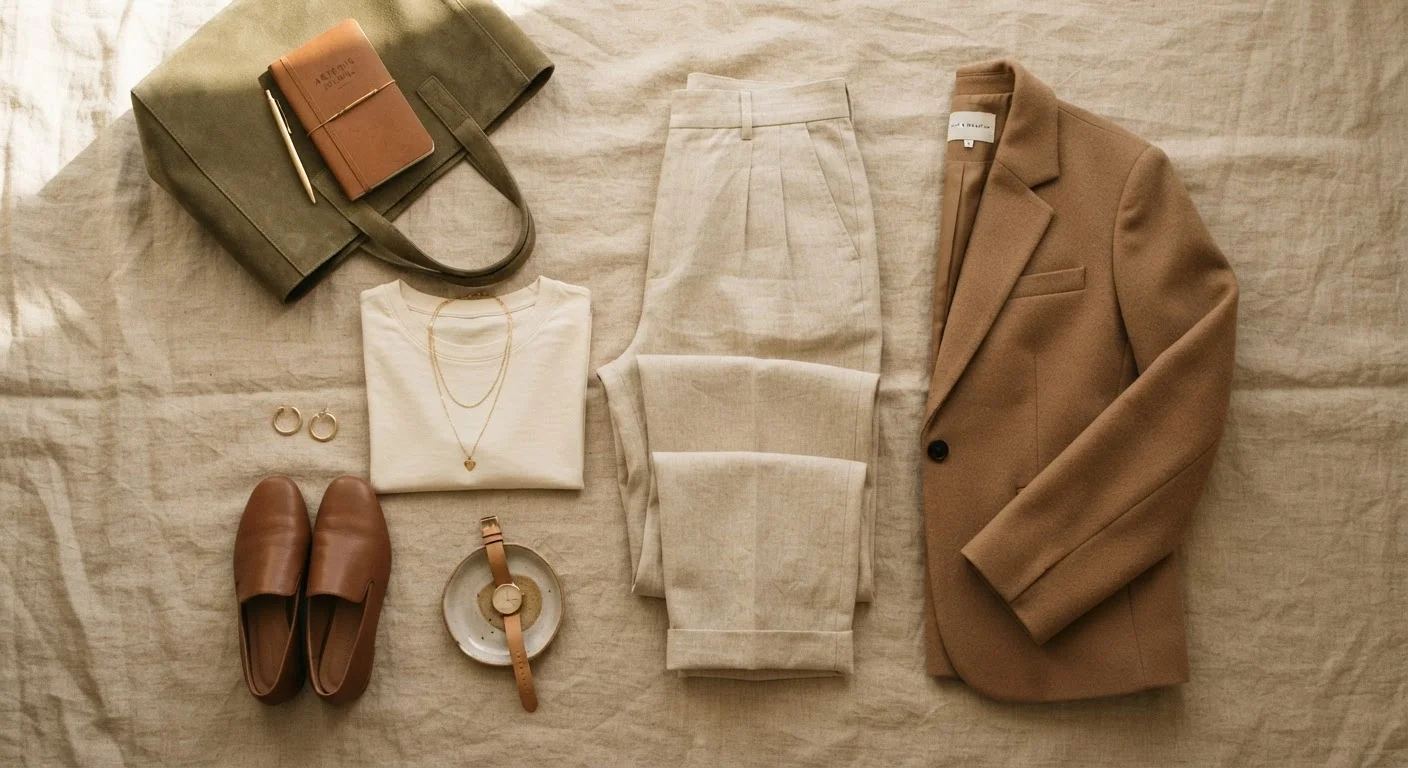
Why Some Outfits Work and Others Don't
There's a specific feeling that comes with getting dressed and knowing — before you even leave the mirror — that the outfit works. It's not reserved for people with large wardrobes or a background in fashion. It comes from applying a handful of consistent principles that most stylists rely on every day.
These aren't rigid rules. They're frameworks that help your eye make good decisions quickly. Once you understand them, you'll start recognizing them in outfits you admire — and replicating that feeling in your own closet. For a broader look at building this foundation, see our end-to-end style guide.
Start With One Principle at a Time
Trying to apply every style principle at once can feel overwhelming and lead to analysis paralysis. Pick the one that resonates most — usually fit — and focus only on that for a week. Once it becomes second nature, layer in the next principle. Gradual integration tends to stick better than an all-at-once overhaul.
The Core Principles That Create Visual Cohesion
Great outfits aren't accidental. Whether you're going for polished-casual or quietly elevated, the same underlying principles are doing the heavy lifting. Here's what they are — and how to put them to work.
Prioritize fit above everything else
A well-fitted garment signals intention regardless of its price or origin. Conversely, even expensive pieces look sloppy when they don't fit the body wearing them. Fit communicates effort and care in a way that no trend or accessory can compensate for.
Work within a consistent color palette
When your wardrobe shares a tonal logic — neutrals that complement each other, or a small roster of accent colors — outfit-building becomes intuitive. You're not starting from scratch every morning; you're selecting from a pre-approved system.
Balance proportion deliberately — fitted with relaxed
Proportion is how the eye reads silhouette. Pairing a volume-heavy top with a streamlined bottom — or vice versa — creates contrast that feels intentional. Matching baggy with baggy, or tight with tight, often reads as unbalanced rather than casual.
Repeat one element across the outfit to create continuity
Visual cohesion often comes from a repeated element — a texture, a tone, or a finish — that links different pieces together. This gives the eye a thread to follow, making the outfit feel considered rather than assembled.
Let accessories reinforce the outfit's mood, not compete with it
Accessories should amplify the tone you've already established, not introduce a conflicting style register. A minimalist outfit with loud, maximalist jewelry sends mixed signals; the same jewelry with a bolder look makes sense.
Quick Wins You Can Apply This Week
You don't need a closet overhaul to start dressing with more intention. These small, targeted actions can shift how your outfits feel almost immediately.
“Style is knowing who you are, what you want to say, and not giving a damn. But knowing those things requires paying attention — first to yourself, then to what you put on your body.”
— Orson Welles, Filmmaker and cultural commentator on self-expression
If you're also thinking about which pieces to invest in, our guide to wardrobe staples that earn their keep covers the items that deliver the most versatility in everyday dressing. And if color decisions still feel uncertain, building a personal color palette can make getting dressed feel cohesive rather than chaotic.
Building the Habit
Dressing well is less about inspiration and more about pattern recognition. Each time you apply one of these principles — even just fit or proportion — you're training your eye to spot what works. Over time that instinct becomes fast and automatic.
Start with the principle that feels most tractable for you. If most of your pieces don't fit well, focus there first. If your wardrobe is already fitting well but combinations feel off, look at your color logic. Explore more on developing your personal aesthetic in the Personal Style hub.
These Principles Work Across All Style Preferences
Whether your personal aesthetic leans toward minimalism, maximalism, athleisure, or classic tailoring, these principles apply universally. They're not about following a particular look — they're about creating internal coherence within whatever look you choose. The same logic that makes a capsule wardrobe work also makes a bold, eclectic wardrobe feel intentional rather than chaotic.
The goal isn't perfection — it's consistency. A small number of principles applied thoughtfully will take you further than a closet full of individual statement pieces that don't talk to each other.