
The Case for Keeping It Simple
The beauty industry is exceptionally good at making every serum, essence, and treatment feel non-negotiable. The reality? Most skin experts agree that a minimal, consistent routine beats an elaborate one you can't keep up with. When you pare back to the basics, it becomes far easier to spot what's actually working — and what's quietly causing problems.
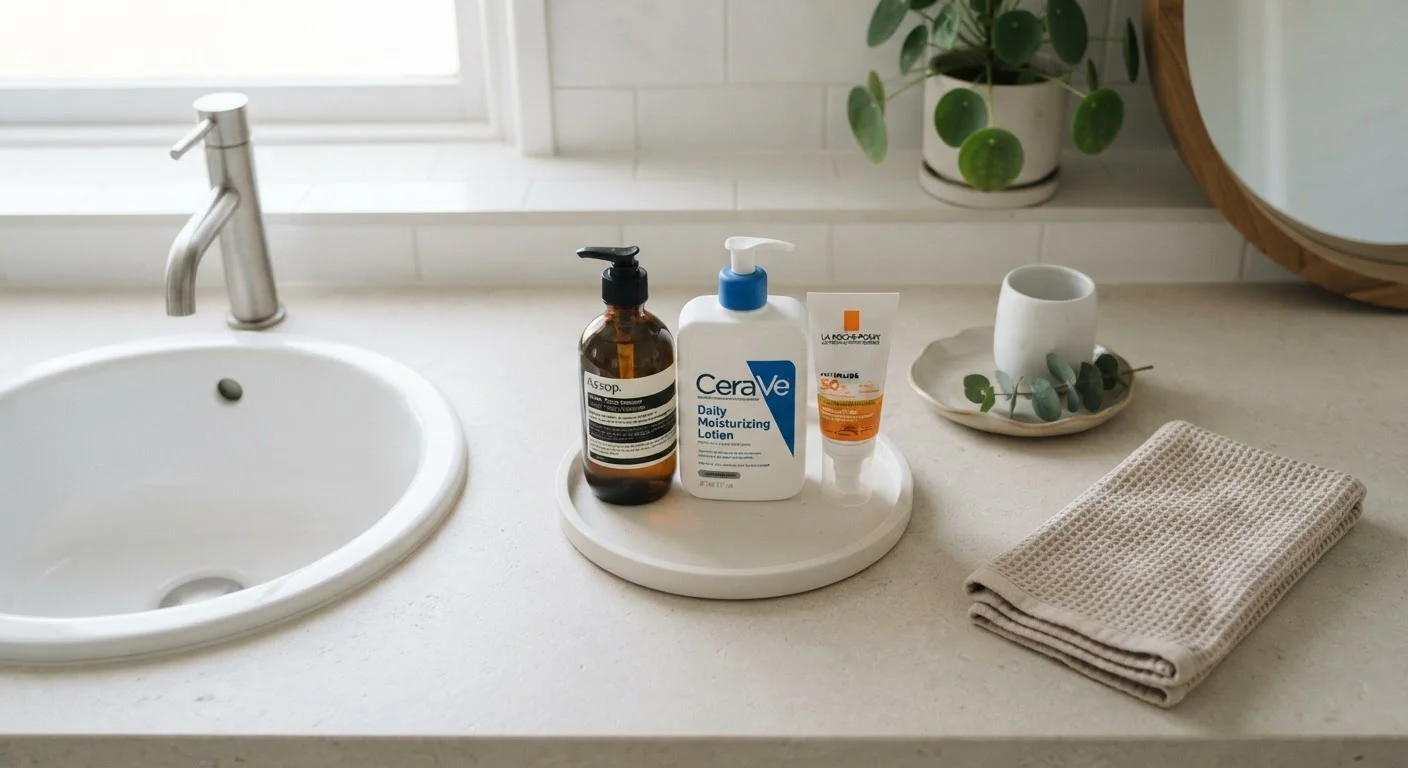
Building a morning skincare routine from the ground up doesn't require ten steps. The fundamentals — a gentle cleanser, a moisturizer suited to your skin type, and a broad-spectrum SPF — are genuinely all most people need to maintain healthy skin day to day. Dermatologists frequently cite this triad as the non-negotiable foundation, with everything else categorized as optional support.
Where Extra Steps Can Actually Help
That said, a "simple" routine isn't a one-size prescription. Certain add-ons make real, targeted sense depending on your skin concerns. A vitamin C serum in the morning can support evening tone over time. A retinoid at night may genuinely help with texture or signs of aging — though it requires careful, gradual introduction. If you deal with breakouts, a salicylic acid treatment has well-established evidence behind it.
The key distinction is purpose. An extra step should address something specific: a consistent concern, not a vague aspiration. Skincare routines for common concerns like dryness or acne are a useful reference when deciding whether to add something targeted to your lineup.
The Honest Downsides of Routine Complexity
More products mean more variables — and more opportunity for things to go sideways. Layering multiple active ingredients (like exfoliating acids alongside retinoids) can disrupt the skin barrier and cause irritation that's hard to trace back to a single culprit. Introducing new products into a routine without triggering breakouts is a genuinely methodical process, and skipping it is one of the most common reasons people feel like skincare "doesn't work for them."
Cost is another real factor. A shelf stacked with serums, treatments, and specialty tools adds up quickly. Applying a budgeting lens to your beauty spending — and asking whether each product earns its place — is a practical habit worth building. Fragrance in multi-product routines also deserves attention; if your skin is reactive, fragrance in beauty products may be quietly contributing to irritation.
Building a Routine That's Right-Sized for You
The goal isn't the fewest products possible — it's intentional products. Start with your core three, give them four to six weeks to work, and only add something new when you've identified a specific concern it would address. A weekly beauty routine audit can help you regularly evaluate whether what's on your shelf is still serving you.
Nighttime is also worth thinking about separately. Your skin does genuine repair work while you sleep, and a simple evening routine supports that process without requiring many steps. What a consistent nighttime skincare routine actually does for your skin breaks this down clearly. And if you're new to makeup on top of your skincare? Makeup for complete beginners offers a grounded starting point without the overwhelm.
This article is for informational and educational purposes only and does not constitute medical or dermatological advice. Consult a qualified healthcare professional or dermatologist for concerns specific to your skin.